
What Is Electroacupuncture?
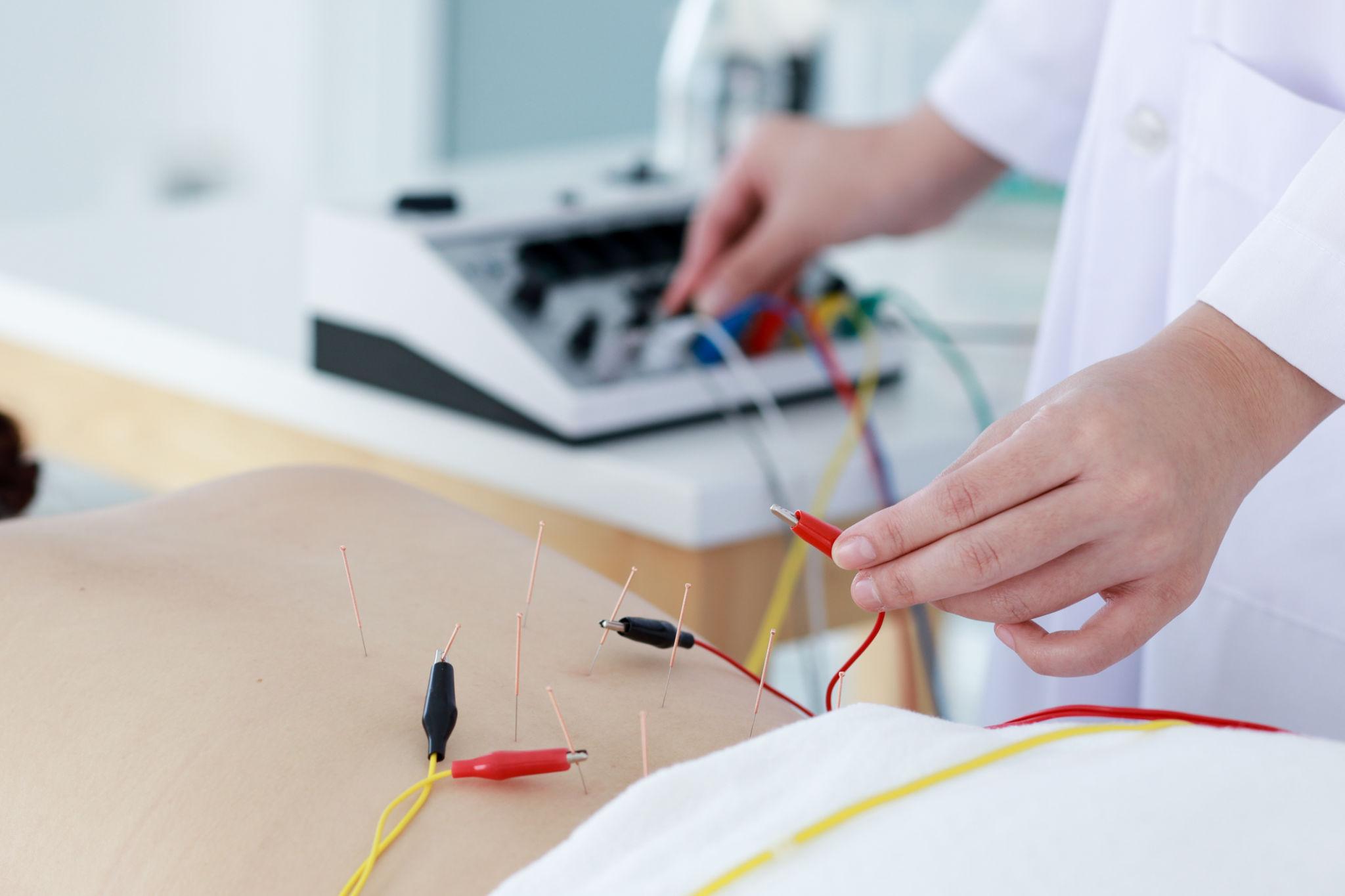
Electroacupuncture is a form of acupuncture that uses a purpose-designed device to deliver controlled, low-level electrical pulses through selected acupuncture needles. Fine, sterile needles are placed at appropriate points and connected to the device using small leads.
The frequency and intensity can be adjusted to suit your comfort. You may notice a gentle pulsing, tapping or tingling sensation, sometimes accompanied by mild rhythmic muscle contractions.
Electrical stimulation activates sensory pathways and is being studied for its influence on nerve signalling and the body's pain-modulating systems. In clinical practice, electroacupuncture may be considered as one part of an individualised pain-management approach.
For a broader explanation of acupuncture and the nervous system, see How Acupuncture Works.
How Is Electroacupuncture Different from Traditional Acupuncture?
Manual acupuncture involves inserting fine needles at selected points, with gentle manual stimulation where appropriate.
Electroacupuncture uses similar needles but adds controlled electrical pulses between selected needles during part of the treatment.
Both methods can be adapted to your needs. The choice is not simply about stronger stimulation: your practitioner considers the location and nature of your symptoms, your medical history, your preferences and any safety precautions before recommending a technique.
What Can Electroacupuncture Help With?
Electroacupuncture is commonly explored as a complementary option for selected musculoskeletal and pain-related concerns. Its potential benefits depend on the condition and individual response, and it can be incorporated into a broader care plan where appropriate.
Musculoskeletal Pain
Depending on your assessment, electroacupuncture may be considered as part of care for:
- Persistent neck and shoulder pain
- Lower back pain
- Knee pain, including osteoarthritis-related discomfort
- Muscle tension and selected myofascial pain presentations
- Localised hip, gluteal or other musculoskeletal discomfort
Treatment aims are individualised and may include managing discomfort, improving tolerance for movement and supporting everyday activities.
Sciatica and Radiating Pain
People experiencing pain in the lower back, buttock or leg may ask whether electroacupuncture is suitable for them. It may be considered as part of a broader pain-management plan after assessment of the symptoms and possible causes.
Radiating pain can sometimes involve nerve irritation or compression. New or worsening leg weakness, saddle numbness or changes in bladder or bowel control require urgent medical assessment.
Rehabilitation and Ongoing Pain Management
For some patients, electroacupuncture may complement exercise rehabilitation, physiotherapy and other appropriate healthcare, particularly when pain or muscle discomfort affects movement, sleep or daily activities.
Following surgery, treatment planning takes account of wound healing, surgical precautions, implants and advice from the treating medical team. Electroacupuncture does not replace postoperative medical review or rehabilitation.
Our Approach to Electroacupuncture
1. Individual Assessment
We begin by discussing your symptoms, medical history, medications, relevant surgeries or implants, previous treatments and personal goals. Where appropriate, your assessment may also include movement testing and palpation.
2. Personalised Technique Selection
If electroacupuncture is suitable, we explain the proposed treatment and obtain your consent. Needle locations, stimulation intensity and duration are adjusted to your presentation and comfort. You can ask to reduce or stop stimulation at any time.
3. Progress Review
Your progress is reviewed in relation to meaningful goals, such as comfort, mobility, sleep affected by pain and tolerance for everyday activities. Your treatment plan can be adjusted over time according to your response and needs.
What to Expect During Your Appointment
Before Treatment
Your practitioner will discuss your symptoms and explain how electroacupuncture may fit into your treatment plan. You will have an opportunity to ask questions before providing consent.
During Treatment
Fine, sterile, single-use acupuncture needles are inserted at selected points. Small clips are attached to some needles and connected to an electroacupuncture device.
Stimulation starts gently and is adjusted to a comfortable level. You may experience pulsing, tingling or mild muscle twitching. Electrical stimulation should not be painful. Tell your practitioner immediately if you experience sharp pain, burning, dizziness or unexpected discomfort.
The duration of stimulation varies. Not every needle used during your appointment needs to be connected to the device.
After Treatment
You may feel relaxed or mildly tired after your session. Temporary soreness, small bruises or brief changes in symptoms can occur. Your practitioner will provide relevant aftercare advice based on your treatment.
Is Electroacupuncture Safe?
Electroacupuncture should be performed by an appropriately trained practitioner using suitable needling and infection-control procedures. It is generally well tolerated when appropriately used, but it is not suitable for everyone.
Please tell your practitioner before treatment if you:
- Have a pacemaker, implanted defibrillator, neurostimulator or another implanted electronic medical device
- Are pregnant or may be pregnant
- Have epilepsy or a history of seizures
- Have a significant heart condition or cardiac rhythm disorder
- Have altered sensation or difficulty communicating discomfort
- Have a bleeding disorder or take anticoagulant medication
- Have recently undergone surgery or have implants in the proposed treatment area
- Have broken, infected or irritated skin near the proposed needling sites
Electroacupuncture is generally avoided in people with implanted electronic devices such as pacemakers unless suitability has been specifically established through appropriate medical advice. Electrical stimulation should not be applied across the chest or in other unsafe configurations.
Possible adverse effects include temporary soreness, bruising, dizziness or discomfort from stimulation. Rare but serious needling-related complications can also occur. Manual acupuncture or medical review may be recommended instead when appropriate.
Personalised, Patient-Centred Care
At Ethan Zhang Acupuncture & Chinese Medicine, we combine traditional Chinese Medicine principles with contemporary clinical understanding to provide individualised, evidence-informed care.
Electroacupuncture is one of several techniques available within acupuncture treatment. We take time to explain your options and select an approach that reflects your health needs, comfort and goals.
Frequently Asked Questions
Does electroacupuncture hurt?
Most people describe a mild pulsing, tapping or tingling sensation. Stimulation is adjusted to remain comfortable. Let your practitioner know if anything feels unpleasant.
Is electroacupuncture better than regular acupuncture?
Neither technique is the best choice for everyone. Electroacupuncture offers a different form of stimulation that may be useful for selected presentations. Your practitioner will discuss whether manual acupuncture or electroacupuncture is more suitable for your needs.
Will I receive electroacupuncture at every appointment?
No. It is an optional technique used only when appropriate and with your consent. You can book a standard acupuncture consultation without deciding in advance whether electroacupuncture is needed.
Can electroacupuncture be combined with physiotherapy or exercise rehabilitation?
Yes, where appropriate. Electroacupuncture may be included alongside other treatments and rehabilitation activities. Please tell your practitioner about any existing treatment plans or medical precautions.
Can I have electroacupuncture if I have a pacemaker?
Electroacupuncture is generally avoided in people with pacemakers and other implanted electronic devices because stimulation may interfere with device function. Tell your practitioner about any implanted device so that safer options can be discussed.
How many sessions will I need?
This depends on your symptoms, how long they have been present and how you respond to treatment. Your progress will be reviewed regularly and recommendations adjusted to your individual goals.
Is electroacupuncture covered by private health insurance?
Electroacupuncture may be provided within an acupuncture consultation. Eligibility for rebates depends on your health fund, policy and provider eligibility. Please confirm your cover with your insurer.
Book an Acupuncture Appointment in Goodwood
Interested in whether electroacupuncture may be suitable for your pain or musculoskeletal concerns? Book an acupuncture consultation to discuss your symptoms and treatment options.
Ethan Zhang Acupuncture & Chinese Medicine
129B Goodwood Road
Goodwood SA 5034
Adelaide, South Australia
Professional assessment. Personalised care. Treatment tailored to you.