
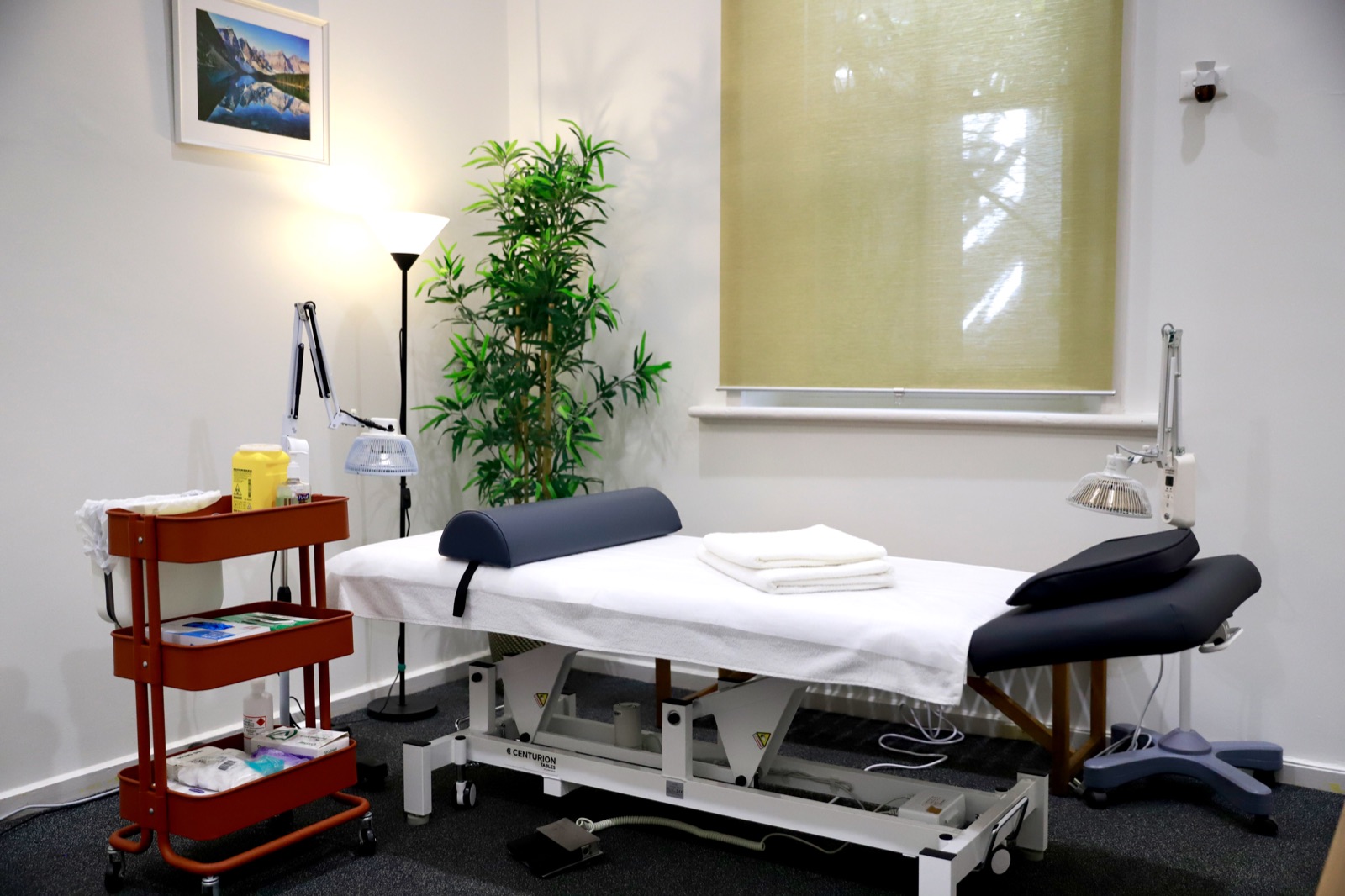
Trying acupuncture for the first time can bring up a few questions. Will the needles hurt? What happens during the consultation? Do you need to prepare anything beforehand?
At Ethan Zhang Acupuncture & Chinese Medicine, your first appointment is an opportunity to discuss your concerns, review your health history and explore whether acupuncture is appropriate for you. Treatment is personalised, and you are welcome to ask questions at any stage.
Before Your Appointment
A little preparation can help you feel more comfortable during your visit.
- Have a light meal beforehand. Avoid arriving hungry, particularly if you are prone to dizziness or fainting.
- Wear comfortable clothing. Loose sleeves and trousers make it easier to access areas that may need treatment.
- Bring relevant health information. A current medication list, imaging reports, referral letters or recent test results may be helpful.
- Complete your intake form. If you receive a patient registration form before your appointment, completing it in advance allows more time for discussion.
- Share any concerns. Please mention needle anxiety, previous fainting episodes or any past reactions to acupuncture.
You generally do not need to stop your usual medications before acupuncture. Never stop prescribed medication without advice from your treating clinician.
What Happens During Your First Visit?
Step 1. Initial Consultation and Health History
We begin by listening to your main concerns and discussing your health history. Depending on the reason for your visit, we may ask about:
- When your symptoms began and how they have changed
- Pain location, severity, triggers and relieving factors
- Sleep, stress, digestion, energy and general wellbeing
- Medical conditions, medications and supplements
- Previous treatments, investigations and diagnoses
- Your goals, such as improving comfort, sleep, movement or daily activities
This conversation helps us understand your individual circumstances and identify any precautions or reasons to recommend further medical assessment.
Step 2. Physical and Chinese Medicine Assessment
The assessment is guided by your presenting concern. For musculoskeletal symptoms, it may involve observing posture or movement, palpating relevant areas and performing appropriate physical or neurological screening.
Traditional Chinese Medicine assessment may also consider symptom patterns and, where relevant, tongue and pulse findings. These traditional methods complement the consultation but do not replace medical investigations when they are needed.
Step 3. Discussing Your Treatment Plan
Before treatment begins, we explain the proposed approach, including the areas to be treated, expected sensations, relevant precautions and alternative options where appropriate.
Your consent matters. You can ask questions, decline a particular technique, request a pause or stop treatment at any time.
Step 4. Acupuncture Treatment
You will usually lie comfortably on a treatment bed. Fine, single-use sterile needles are inserted at selected points based on your assessment and treatment plan.
Needles may be placed near the area of discomfort or at other appropriate locations. The number of needles and their placement vary from person to person.
Step 5. Rest and Needle Removal
Once the needles are in place, you can rest quietly. Many treatments involve approximately 15–30 minutes of needle retention, although this varies according to your needs and the clinical plan.
When treatment is complete, the needles are removed and disposed of safely. We may then discuss aftercare, your response to treatment and whether follow-up is appropriate.
Does Acupuncture Hurt?
Acupuncture needles are much finer than most injection needles. Many people feel little discomfort during insertion, while others notice a brief prick, dull ache, heaviness, tingling or a gentle spreading sensation.
In Traditional Chinese Medicine, some of these sensations are described as De Qi. Strong discomfort is not required for a worthwhile treatment.
Please tell your practitioner immediately if you experience sharp, persistent, electric-shock-like or distressing pain. The needle can be adjusted or removed.
Will Electroacupuncture or Chinese Herbal Medicine Be Included?
Electroacupuncture
Electroacupuncture uses controlled, low-level electrical stimulation through selected acupuncture needles. It may be considered for some presentations, but it is not part of every appointment. Your practitioner will discuss whether it is suitable and explain any additional precautions before proceeding.
Chinese Herbal Medicine
Chinese herbal medicine is a separate treatment option and is not automatically included in an acupuncture consultation. If herbal treatment is relevant, we will discuss your health history, medications, supplements and any potential safety considerations before recommending a prescription.
You can learn more on our dedicated Acupuncture, Electroacupuncture and Chinese Herbal Medicine service pages.
After Your Appointment
Most people can return to their usual daily activities after acupuncture. Some feel relaxed or slightly tired, while others notice mild temporary soreness, a small bruise or a change in how their symptoms feel.
Simple Aftercare Advice
- Eat and drink normally unless you have been advised otherwise.
- Resume gentle activity according to your comfort and underlying condition.
- If you feel light-headed, sit or lie down and inform your practitioner before leaving.
- Follow any individual advice about exercise, physical loading or activity modification.
- Contact the clinic if you have questions about a reaction that persists or concerns you.
Serious complications are uncommon but possible. Seek urgent medical attention for difficulty breathing, chest pain, significant or worsening symptoms, or signs of a serious infection following treatment.
Is Acupuncture Safe?
Acupuncture is generally considered low risk when performed by an appropriately trained practitioner using suitable infection-control and needling procedures. As with any procedure involving the skin, some risks remain.
Common effects include temporary tenderness, minor bleeding or bruising. Rare but serious complications can include infection, nerve injury or pneumothorax (collapsed lung), particularly with needling near the chest or upper back.
Please tell your practitioner if you:
- Take blood-thinning medication or have a bleeding disorder
- Are pregnant or may be pregnant
- Have a pacemaker or another implanted electrical device
- Have an active skin infection or a condition affecting your immune system
- Have a history of fainting or significant needle anxiety
- Have undergone recent surgery or have joint implants or other relevant medical conditions
These circumstances do not necessarily prevent acupuncture, but they may influence the treatment plan or require additional medical advice.
How Many Treatments Will I Need?
There is no fixed number of acupuncture sessions that suits everyone. Your treatment plan depends on your symptoms, their duration, your general health and your response to care.
Some people notice changes early, while others require several appointments to assess whether treatment is helping. Not everyone experiences a meaningful improvement.
We aim to review progress using goals that matter to you, such as pain levels, sleep, mobility or daily function. Treatment can be adjusted, paused or discontinued if it is not meeting your needs.
When Should You Seek Medical Care?
Acupuncture should not delay appropriate medical assessment or emergency treatment.
Call 000 in Australia for a medical emergency, including suspected stroke, severe chest pain or serious breathing difficulties.
Seek urgent medical assessment for symptoms such as new loss of bladder or bowel control with back pain, numbness around the groin, rapidly worsening weakness or a serious injury.
If symptoms are persistent, unexplained or changing, a GP assessment may be appropriate before or alongside acupuncture.
Frequently Asked Questions
Do I need to undress for acupuncture?
Usually, only the areas required for treatment need to be accessible. We aim to maintain your comfort and privacy with appropriate positioning and draping. Please let us know if you are uncomfortable with any part of the procedure.
Are acupuncture needles reused?
No. We use sterile, single-use acupuncture needles that are disposed of safely after treatment.
Can I have acupuncture while taking medication?
Often, yes. Please provide an accurate list of medications and supplements so we can assess relevant precautions. Do not stop prescribed medication on your own.
Can I drive after acupuncture?
Most people can drive if they feel well and alert. If you feel dizzy, faint or unusually sleepy, wait until you have recovered and arrange assistance if needed.
Can I exercise after treatment?
Gentle activity is generally reasonable. The timing of more strenuous exercise depends on your symptoms, underlying condition and individual aftercare advice.
Will one appointment be enough?
That cannot be predicted or guaranteed. We will discuss realistic expectations and review your progress rather than recommend an indefinite treatment schedule.
Can I claim through private health insurance?
Some Australian private health insurance policies include acupuncture benefits. Eligibility and rebate amounts depend on your insurer, level of cover and applicable provider requirements. Please check with your health fund.
Your First Visit at Ethan Zhang Acupuncture & Chinese Medicine
Our clinic offers a welcoming setting for personalised acupuncture and Chinese Medicine care in Goodwood, Adelaide. Ethan's background in integrated Chinese and Western medicine, with a focus on orthopaedics and musculoskeletal health, informs a careful and individualised approach to assessment and treatment.
Whether you are seeking help with pain, mobility, recovery or general wellbeing, your first visit is a chance to discuss your concerns and make informed decisions about your care.
Ethan Zhang Acupuncture & Chinese Medicine
129B Goodwood Road, Goodwood SA 5034
Phone: 0433 161 121
Email: ethanztcm@outlook.com
This article provides general health information and does not replace individual medical advice, diagnosis or treatment. Treatment suitability and outcomes vary between individuals.