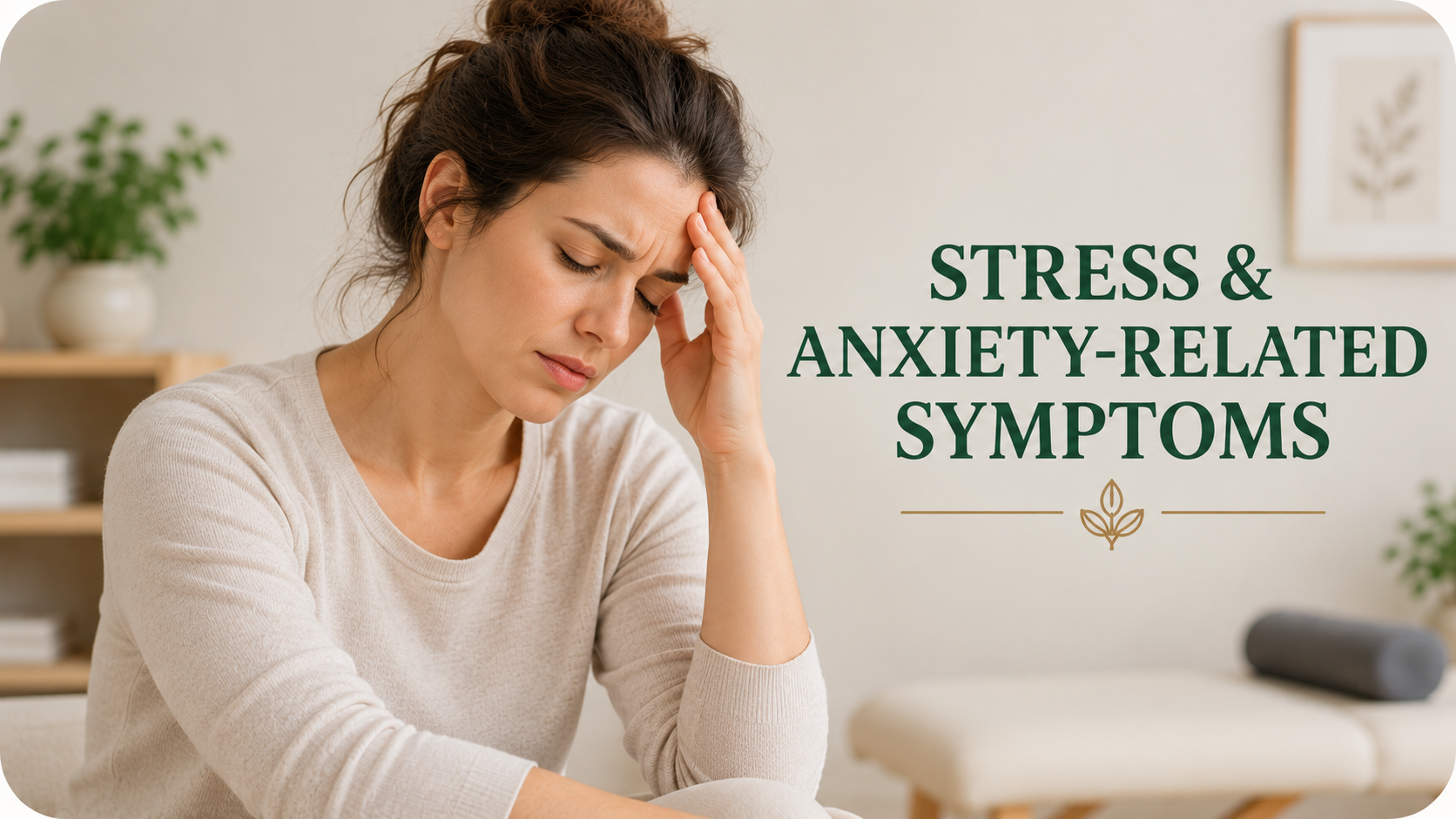
Stress is a normal response to challenging circumstances. It can help us respond to immediate demands, but when pressure continues for weeks or months, it may begin to affect sleep, muscle tension, digestion, concentration and general wellbeing.
Some people describe feeling constantly “switched on”, even when they have time to rest. Others notice headaches, a tight neck and shoulders, a racing mind at bedtime or digestive symptoms that become more noticeable during stressful periods.
At Ethan Zhang Acupuncture & Chinese Medicine in Goodwood, Adelaide, we take time to understand how these symptoms fit together. Acupuncture and Chinese herbal medicine may be considered as part of a personalised approach to symptom management, alongside appropriate medical and psychological care when needed.
How Stress Can Affect Physical Health
The body's stress response involves the nervous system, hormones, attention and behaviour. During a demanding period, muscles may become more tense, sleep may become lighter, and people may notice changes in appetite, bowel habits or pain sensitivity.
These responses are real physical experiences. However, symptoms should not automatically be attributed to stress: persistent or changing symptoms may have other medical causes that deserve assessment.
Common Stress-Related Symptoms
People may experience a combination of:
- Muscle tension: tightness or aching around the neck, shoulders, jaw or upper back.
- Headaches: particularly tension-type headaches, sometimes associated with neck discomfort.
- Sleep difficulties: trouble falling asleep, waking frequently or feeling unrefreshed.
- Digestive discomfort: bloating, nausea, altered bowel habits or reflux symptoms that seem to fluctuate with stress.
- Fatigue and reduced concentration: feeling mentally overloaded or physically drained.
- Restlessness: difficulty relaxing, irritability or a persistent sense of being on edge.
- Physical sensations of anxiety: a faster heartbeat, sweating, trembling or a sensation of tightness in the chest.
The pattern varies considerably from person to person. The timing, triggers, severity and impact on daily life can all help guide the next steps.
Everyday Stress or an Anxiety Disorder?
Feeling worried before a major decision, examination or difficult conversation is common. Anxiety becomes more concerning when fear or worry is persistent, difficult to control, or interferes with work, relationships, sleep or everyday activities.
Anxiety disorders can include generalised anxiety disorder, panic disorder, social anxiety and other conditions. They are assessed by appropriately qualified healthcare professionals and may be managed with psychological therapies, medication or a combination of approaches.
Acupuncture is not a replacement for psychological therapy or prescribed treatment for an anxiety disorder. It may be used as a complementary option for some people who are also managing associated physical symptoms, such as muscle tension or sleep difficulties.
If anxiety is significantly affecting daily life, discussing it with a GP is an important starting point.
Why Stress and Physical Symptoms Can Reinforce Each Other
Stress and physical discomfort can form a cycle. For example, a person may sleep poorly during a stressful period, feel more sensitive to pain the next day, and then become concerned about the discomfort. That concern may make it harder to relax or sleep the following night.
Similarly, neck and shoulder tension may contribute to headache symptoms, while digestive discomfort can become an additional source of worry.
Addressing one part of this cycle—such as improving sleep routines, reducing muscle tension or adjusting daily activity—may make other symptoms easier to manage. A useful plan often combines several practical strategies rather than relying on one treatment alone.
A Traditional Chinese Medicine Perspective
Traditional Chinese Medicine (TCM) considers emotional wellbeing, sleep, digestion and physical comfort as interconnected aspects of health. Practitioners look for patterns across the person's symptoms rather than treating each complaint in isolation.
Traditional patterns that may be considered include:
Liver Qi Stagnation
In TCM terminology, this pattern may be associated with a sense of tension, irritability, tightness through the chest or upper abdomen, headaches, and digestive symptoms that fluctuate with emotional stress.
Heart and Spleen Deficiency
This traditional pattern may be considered when worry is accompanied by fatigue, poor concentration, reduced appetite, palpitations or unsettled sleep.
Yin Deficiency with Disturbed Sleep
Some people report feeling tired yet restless, with difficulty settling at night, night sweating or a sensation of internal warmth. In TCM these symptoms may be interpreted through a yin-deficiency pattern, depending on the overall presentation.
These are traditional diagnostic frameworks, not equivalent to Western medical diagnoses. Assessment also considers relevant medical history, medication use and whether further medical investigation is appropriate.
Chinese Herbal Medicine: An Individualised Approach
Chinese herbal medicine may be discussed when a person's symptoms involve several areas, such as unsettled sleep, digestive discomfort and fatigue. Formulas are selected according to an individual TCM assessment rather than a single symptom label such as “stress”.
Herbal treatment is not appropriate for everyone. Some herbs can interact with prescription medicines or may be unsuitable during pregnancy, with certain medical conditions, or alongside other supplements.
Please tell your practitioner about all medicines and supplements you use, including antidepressants, sedatives, blood-thinning medicines and over-the-counter products. Do not stop or change prescribed treatment without advice from the clinician managing it.
When to Seek Medical Help
Stress should not be used as an explanation for symptoms that may signal another health problem.
Seek urgent medical attention for chest pain or pressure, severe shortness of breath, fainting, new neurological symptoms, or a sudden severe headache. These symptoms need assessment regardless of whether you feel anxious.
Arrange a medical appointment if you have persistent palpitations, unexplained weight loss, significant changes in mood or sleep, ongoing digestive symptoms, or anxiety that interferes with everyday life.
If you feel at risk of harming yourself or are in immediate danger, call 000 in Australia. For crisis support, Lifeline is available on 13 11 14.
Frequently Asked Questions
Can acupuncture help me relax?
Some people find acupuncture sessions calming and use them as part of a broader wellbeing routine. The experience differs between individuals, and treatment should be tailored to your symptoms and preferences.
Can stress cause neck and shoulder pain?
Stress may contribute to sustained muscle tension and make existing discomfort more noticeable. However, neck and shoulder pain can also have musculoskeletal or other causes, so assessment is important if symptoms persist or change.
Can stress affect digestion?
Yes. Stress can influence digestive sensations, eating habits and bowel patterns. Reflux, persistent abdominal pain and other digestive symptoms may also require medical evaluation rather than being attributed solely to stress.
Is acupuncture a treatment for anxiety disorders?
Acupuncture may be considered complementary care for some associated symptoms, but it does not replace a GP assessment, psychological therapy or prescribed treatment for an anxiety disorder.
Can Chinese herbal medicine be taken with antidepressants or sleeping tablets?
Potential interactions depend on the specific medicine, herb and dose. A full medication review is essential before considering herbs, and coordination with your prescribing clinician may be needed.
How many acupuncture sessions will I need?
There is no fixed number. Your main symptoms, their duration, overall health and response to treatment all influence the plan. We can discuss realistic goals and review whether treatment is useful as care progresses.