
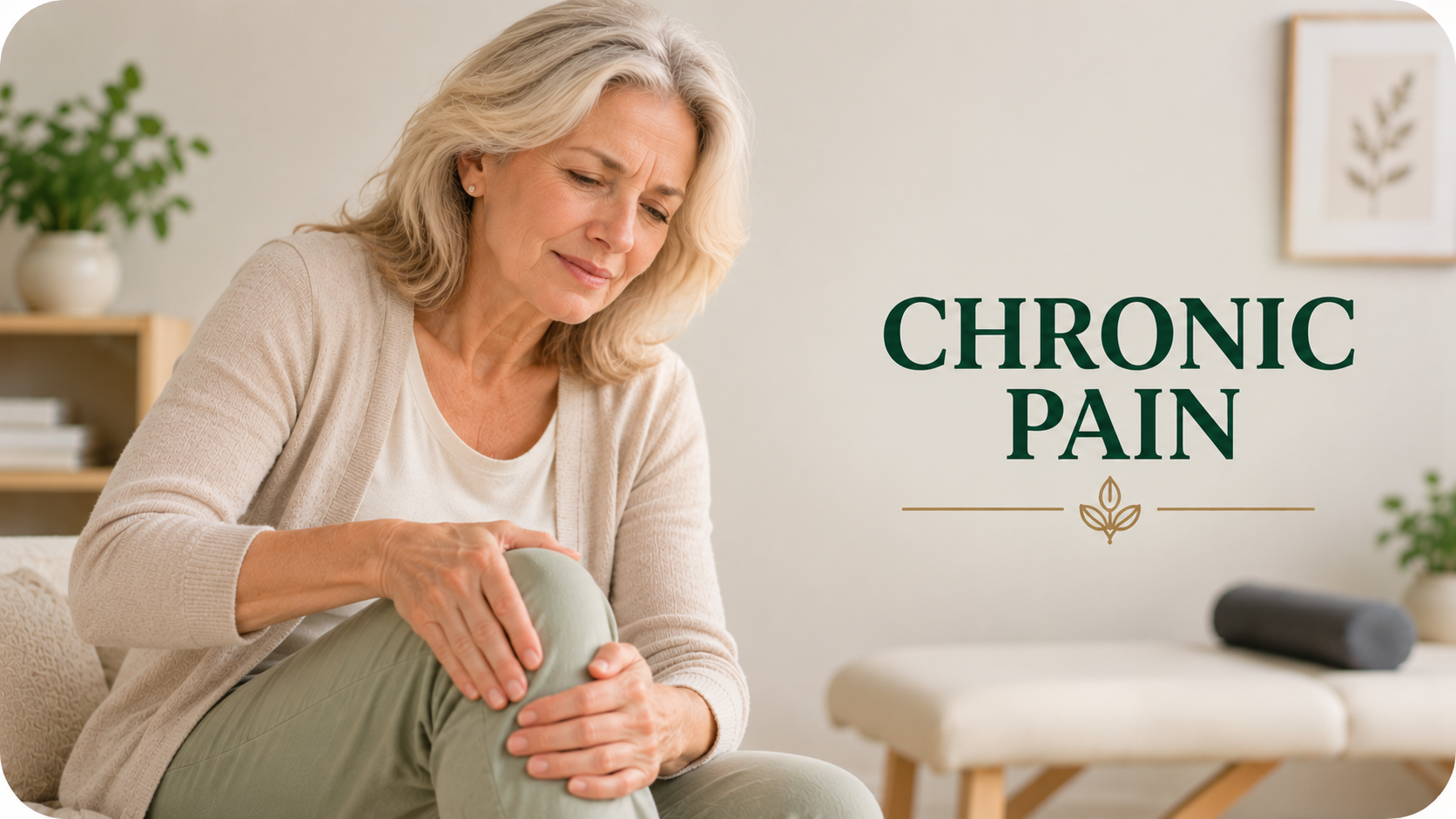
Living with persistent pain can affect much more than the part of the body that hurts. It may change how comfortably you walk, sleep, exercise, manage household tasks or enjoy time with family. For older adults, even modest changes in pain and mobility can make a meaningful difference to everyday confidence and independence.
At Ethan Zhang Acupuncture & Chinese Medicine in Goodwood, Adelaide, care focuses on understanding your symptoms, your health history and the activities that matter to you. Acupuncture and Chinese medicine may be considered alongside medical treatment, exercise-based rehabilitation and other supportive care.
What Is Chronic Pain?
Pain is generally described as chronic or persistent when it lasts or recurs for more than three months. Sometimes it follows an injury or surgery; sometimes it develops gradually with joint or spinal conditions. In other cases, pain continues even after the original tissue injury has healed.
Persistent pain is real, but it is not always a direct measure of ongoing tissue damage. The nervous system, sleep, mood, physical conditioning and previous experiences can all influence how pain is felt. This is one reason a comprehensive approach is often more helpful than focusing on a single painful spot.
Chronic pain may be associated with:
- Osteoarthritis affecting the knees, hips, hands or spine
- Long-standing neck, shoulder or lower back pain
- Sciatica and some nerve-related pain conditions
- Persistent discomfort following injury or surgery
- Muscle and tendon pain, including recurring flare-ups
- Widespread pain with fatigue or poor sleep
The most suitable management approach depends on the cause, severity and effect on daily life.
How Persistent Pain Can Affect Healthy Ageing
Healthy ageing is not simply about avoiding illness. It is also about maintaining the ability to move, participate in meaningful activities and make choices about daily life.
Persistent pain may contribute to a cycle in which discomfort leads to reduced activity, followed by muscle weakness, stiffness and lower confidence in movement. Poor sleep and fatigue can make the cycle harder to break.
People may notice that they:
- Walk shorter distances or need more frequent rests
- Feel less steady when getting up from a chair or climbing steps
- Avoid gardening, shopping or social activities
- Experience disturbed sleep because of joint or muscle discomfort
- Become concerned about falling or aggravating an existing condition
- Rely more heavily on family members for everyday tasks
These changes deserve attention. Appropriate assessment, graded movement and symptom management can help support function, even when a long-term condition cannot be completely reversed.
Common Conditions We See
Osteoarthritis and Joint Pain
Osteoarthritis commonly affects weight-bearing joints such as the knees and hips, as well as the hands and spine. Symptoms may include pain with activity, stiffness after rest, reduced range of movement and occasional swelling.
Management often combines education, suitable strengthening exercises, activity modification and medical care. Acupuncture may be used as an additional option for symptom relief, particularly when discomfort makes it harder to stay active.
Chronic Lower Back and Neck Pain
Long-standing spinal pain may involve joints, muscles, discs or nerves. Symptoms can fluctuate with posture, activity, sleep and general health. A careful history and physical assessment help determine whether pain is primarily local or may involve nerve irritation.
Acupuncture can be incorporated into a broader plan that includes pacing, movement and appropriate rehabilitation. New or progressive neurological symptoms require medical assessment.
Persistent Pain After Surgery
Some people experience ongoing pain or stiffness after procedures such as knee or hip replacement, despite an otherwise satisfactory surgical recovery. There may be several contributing factors, including soft-tissue sensitivity, altered movement patterns or conditions unrelated to the operated joint.
Persistent or worsening pain after surgery should first be assessed for possible surgical or medical complications. Where appropriate, acupuncture may complement the rehabilitation plan developed with the surgeon, GP or physiotherapist. Treatment around a recent surgical site requires particular care, especially if wounds have not healed or there is a risk of infection.
Widespread Pain and Sensitivity
Pain involving several regions of the body may be associated with fatigue, unrefreshing sleep and increased sensitivity to touch or movement. Conditions such as fibromyalgia can produce this pattern, but other medical causes should also be considered.
Care is usually most helpful when it addresses sleep, activity tolerance, pacing and symptom management together rather than relying on one treatment alone.
The Traditional Chinese Medicine Perspective
In traditional Chinese medicine (TCM), persistent pain is assessed through patterns involving the movement of Qi and Blood, the body's response to external influences and the person's overall constitutional health.
Traditional descriptions may include Qi and Blood stagnation, Bi syndrome, or patterns associated with deficiency of Qi, Blood, Yin or Yang. These terms belong to the traditional diagnostic framework and are used to guide individualised treatment; they are not direct equivalents of modern medical diagnoses.
A Chinese medicine consultation may consider the location and character of pain alongside temperature sensitivity, sleep, energy, digestion and other symptoms. Two people with knee osteoarthritis, for example, may receive different acupuncture or herbal treatment plans because their symptoms and broader health circumstances differ.
How Acupuncture May Help
Acupuncture involves the insertion of fine, sterile, single-use needles at selected points. For people with chronic pain, treatment may aim to:
- Reduce the day-to-day burden of pain or muscular tension
- Support comfort during walking, exercise and rehabilitation
- Address accompanying symptoms such as disturbed sleep
- Help patients engage more comfortably with normal activities
Some people find acupuncture helpful as part of their pain management plan, although individual responses vary. The aim is not necessarily to eliminate every symptom, but to identify practical improvements that matter to the patient.
Electroacupuncture
Electroacupuncture uses a gentle electrical stimulus between selected acupuncture needles. It may be considered for certain musculoskeletal pain presentations following assessment. Whether it is suitable depends on medical history, implanted electronic devices, skin condition, sensitivity and personal preference.
Chinese Herbal Medicine
Chinese herbal medicine may be considered when broader symptoms, such as sleep or digestive concerns, are relevant to the treatment plan. Prescriptions are individualised rather than chosen solely by the name of a pain condition.
Medication safety is especially important in older adults. Herbal products may interact with prescription medicines, including anticoagulants and antiplatelet drugs, and may be unsuitable with kidney or liver disease. Please bring an up-to-date medication and supplement list to your consultation. Do not stop or change prescribed medicines without discussing this with your treating doctor.
Supporting Mobility and Independent Living
For many people, the most useful goals are practical rather than numerical. A treatment plan may focus on being able to:
- Walk to a nearby shop with less discomfort
- Stand long enough to prepare a meal
- Get in and out of a car more comfortably
- Sleep with fewer interruptions from pain
- Return to gentle gardening or recreational activity
- Maintain confidence with everyday movement
These goals can be reviewed over time alongside pain levels, walking tolerance and other functional measures. Improvement is not always linear; flare-ups can occur, and the plan may need adjustment.
Acupuncture works best as one part of a coordinated approach. Depending on the individual, that may include physiotherapy, resistance and balance training, falls-prevention strategies, appropriate medication review, nutrition support or occupational therapy.
Practical Self-Management Strategies
Keep Moving Within Your Capacity
Regular, manageable activity is usually preferable to prolonged rest. Short walks, gentle mobility exercises or supervised strength training may help maintain function. Start at a tolerable level and build gradually.
Use Pacing Rather Than Pushing Through
Alternating activity and rest can reduce the pattern of doing too much on a good day and needing several days to recover. Consistency is often more useful than occasional bursts of activity.
Protect Sleep
Pain and poor sleep can reinforce each other. A regular sleep schedule, comfortable positioning and attention to sleep disorders can be valuable parts of a pain management plan.
Review Falls Risk and Medication
If pain, dizziness, weakness or medication side effects are affecting balance, discuss this with your GP or relevant healthcare professional. A falls-risk assessment and home safety review may be appropriate.
Stay Connected
Maintaining enjoyable social activities and meaningful routines can support wellbeing and help prevent pain from becoming the centre of daily life.
When to Seek Medical Attention
Persistent pain deserves appropriate assessment, particularly if symptoms are changing. Seek urgent medical attention for:
- New loss of bladder or bowel control, saddle numbness or rapidly worsening leg weakness
- Sudden severe pain after a fall, especially with inability to bear weight
- A hot, markedly swollen joint with fever or feeling acutely unwell
- New severe back pain with significant neurological symptoms
- Chest pain, breathlessness or other symptoms suggesting a medical emergency
Arrange a timely medical review for unexplained weight loss, persistent night pain, a history of cancer with new pain, increasing weakness, or pain that is steadily worsening. After joint replacement, new swelling, redness, fever or significant deterioration requires prompt review by the surgical team.
What to Expect at Your Appointment
Your first consultation includes a discussion of your symptoms, relevant diagnoses, previous investigations, surgery, medications and daily activity goals. Assessment may include movement and functional observations, alongside traditional Chinese medicine assessment where appropriate.
If acupuncture is suitable, treatment is tailored to your comfort, health status and goals. For patients with complex medical histories, care may be coordinated with their GP, surgeon, physiotherapist or other treating professionals.
Progress is reviewed in terms of both symptoms and function. If your presentation suggests a condition requiring further investigation, medical referral will be recommended.
Frequently Asked Questions
Can acupuncture help with chronic pain in older adults?
Acupuncture may be a useful additional option for some people managing persistent musculoskeletal pain. Suitability depends on the underlying condition, general health and individual goals. It does not replace medical assessment or rehabilitation.
Is acupuncture safe if I have a joint replacement?
A previous joint replacement does not automatically prevent acupuncture. However, the timing of surgery, wound healing, infection risk and treatment location are important. Your surgeon's advice and the circumstances of your recovery should be considered before treatment.
Can I have acupuncture while taking blood thinners?
Some people taking anticoagulant or antiplatelet medication can receive acupuncture with appropriate precautions, but bruising or bleeding risk may be increased. Always disclose your medication and medical history so treatment suitability can be assessed.
How many treatments will I need?
There is no fixed number. The plan depends on how long symptoms have been present, their severity and your response. Progress should be reviewed regularly, with attention to meaningful changes in sleep, mobility and daily activities.
Can acupuncture replace physiotherapy or exercise?
No. Acupuncture may complement physiotherapy and appropriate exercise, but maintaining strength, balance and activity is central to healthy ageing and many chronic pain management plans.
Do you offer support for people who want to remain independent at home?
Yes. Consultations can focus on pain management, mobility-related comfort and practical daily activity goals. Depending on availability and suitability, clinic-based or in-home appointments may be discussed. Any aged-care funding arrangements should be confirmed with the relevant care provider or plan manager.
Book an Appointment in Goodwood, Adelaide
At Ethan Zhang Acupuncture & Chinese Medicine, we take an individualised approach to persistent pain, with particular attention to comfort, mobility, recovery and everyday independence.
If you are managing long-term joint or muscle pain, or looking for supportive care alongside your existing medical and rehabilitation plan, you are welcome to arrange a consultation.
Ethan Zhang Acupuncture & Chinese Medicine
129B Goodwood Road, Goodwood SA 5034
Phone: 0433 161 121
Website: www.ethanztcm.com