
Chinese herbal medicine has been used for centuries as part of Traditional Chinese Medicine (TCM). Traditionally, herbal formulas were commonly prepared by simmering selected medicinal herbs in water to create a decoction.
Today, modern pharmaceutical manufacturing allows these traditional herbal preparations to be produced as concentrated Chinese herbal granules, offering a convenient alternative to preparing raw herbs at home.
At Ethan Zhang Acupuncture & Chinese Medicine in Goodwood, Adelaide, we use concentrated herbal granules manufactured by KO DA Pharmaceutical in Taiwan, sourced through Australian supplier Yes Chinaherb Pty Ltd.
This article explains how herbal granules are produced, how their quality is assessed, what makes concentrated extracts different from ordinary herbal powders, and why personalised prescribing remains essential.
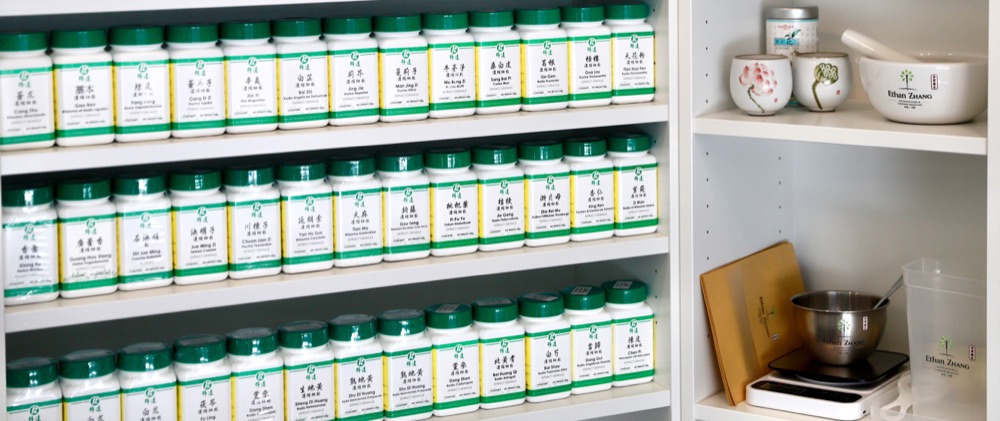
1. What Are Chinese Herbal Granules?
Chinese herbal granules are concentrated extracts manufactured from selected traditional medicinal herbs.
Rather than requiring patients to boil raw herbs at home, the herbs undergo controlled extraction, concentration and granulation during manufacturing.
The finished granules can generally be mixed with warm water, making them convenient to prepare and take according to an individual prescription.
Herbal granules may be produced from:
- Single herbs: concentrated extracts of individual medicinal ingredients
- Traditional formulas: established combinations of herbs prepared together
- Individualised prescriptions: combinations of granules selected or adjusted by a qualified Chinese Medicine practitioner
Are Herbal Granules the Same as Ground Herbal Powder?
No. Ordinary herbal powder is generally produced by grinding dried herbal materials into fine particles. Concentrated herbal granules undergo additional extraction and manufacturing processes.
The two preparations can differ in chemical composition, concentration and dosage requirements and should not be substituted without professional guidance.
2. How Are Chinese Herbal Granules Made?
From Raw Herbs to Concentrated Extracts
Modern herbal granule production combines traditional herbal preparation principles with controlled pharmaceutical manufacturing.
The general process involves:
- Raw Herb Selection: Medicinal herbs are selected according to botanical identity, origin and quality specifications.
- Cleaning and Preparation: Raw materials are cleaned and prepared before extraction.
- Extraction: Herbal constituents are extracted under controlled conditions, commonly using water.
- Concentration: The resulting liquid extract is concentrated to reduce its water content.
- Granulation: The concentrated extract is processed into granules using suitable pharmaceutical excipients.
- Quality Testing and Packaging: Products undergo testing and are packaged with appropriate identification and batch information.
Different herbs may require different preparation and extraction conditions because their chemical characteristics vary.
3. Why We Use KO DA Pharmaceutical Granules
Taiwanese Manufacturing and Quality-Control Systems
KO DA Pharmaceutical is an established Taiwanese manufacturer of concentrated Chinese herbal medicines.
The company describes a manufacturing system that integrates traditional herbal knowledge with modern extraction technologies, quality-control testing and documented sourcing procedures.
At our clinic, KO DA products are sourced through Yes Chinaherb Pty Ltd, an Australian supplier of Chinese herbal medicine products.
We value the availability of documented manufacturing processes, product identification and batch-level quality-control information when selecting herbal products for clinical use.
Raw Herb Sourcing and Agricultural Management
KO DA describes a dedicated Herbal Sourcing Project, designed to improve the identification, quality and traceability of medicinal herbs before they enter the manufacturing process.
According to the manufacturer, its raw-material sourcing programme includes:
- Assessment of agricultural environments, including water and soil conditions
- Verification of the botanical species and geographical origin of medicinal herbs
- Selection and contractual management of approved growers
- Agricultural specifications for cultivation and harvesting
- Farmer education and documented production records
- Application of Good Agricultural Practice (GAP) principles
The company reports that contracted growers are required to maintain production records and follow specified cultivation procedures. These measures are intended to reduce variability and improve traceability from the agricultural source.
Good Manufacturing Practice
KO DA states that it was among the early Traditional Chinese Medicine manufacturers to obtain Good Manufacturing Practice (GMP) certification.
Its published manufacturing information describes automated production facilities, controlled cleaning procedures and documented quality-management systems.
The manufacturer also reports using Clean-In-Place (CIP) systems, which allow internal equipment and pipework to be cleaned without routine manual disassembly.
These systems are intended to support manufacturing consistency and reduce contamination risks. Manufacturing certification and quality-management systems provide important process safeguards, although they do not eliminate every possible product risk.
4. From Farm to Finished Product: Herbal Traceability
What Is the Cloud Herbal Tracing Platform?
One of the distinctive features described in KO DA's manufacturing information is its Cloud Herbal Tracing Platform.
According to the company, this system is designed to make selected sourcing and quality-control information accessible through QR-code-based product traceability.
Depending on the available product records, the platform may provide information about:
- The geographical origin of herbal materials
- Agricultural sourcing and cultivation practices
- Raw-material identification
- Quality-control procedures
- Selected testing information and results
- Product traceability records
Why Does Traceability Matter?
Herbal medicines originate from biological materials, which may vary according to species, geographical location, agricultural practices and storage conditions.
Traceability helps connect a finished product to documented information about its ingredients and production history. It also supports the investigation of potential quality concerns when they arise.
For patients and practitioners, access to manufacturing and testing information can help make product sourcing more transparent.
Traceability supports quality assurance, but it does not independently establish clinical effectiveness or guarantee that a product is suitable for every patient.
5. How Does KO DA Test Its Herbal Products?
Quality Control from Raw Materials to Finished Granules
Herbal medicine quality control involves more than checking the appearance of a finished product. KO DA describes testing procedures covering raw materials, intermediate preparations and finished products.
Its published methods include the following categories.
Herbal Identity and Composition
Physical and Microscopic Identification
Used to assess the identity and characteristic features of raw herbal materials.
Thin-Layer Chromatography (TLC)
A laboratory technique used to compare selected chemical characteristics of herbal samples.
High-Performance Liquid Chromatography (HPLC)
Used to analyse selected chemical constituents or markers in herbal preparations.
These methods support identity assessment and product consistency.
Pesticide Residue Testing
KO DA reports using analytical techniques including:
- Gas Chromatography–Tandem Mass Spectrometry (GC-MS/MS)
- Liquid Chromatography–Tandem Mass Spectrometry (LC-MS/MS)
These methods can detect and measure specified pesticide residues at low concentrations.
Heavy Metal Testing
The manufacturer reports using Inductively Coupled Plasma–Optical Emission Spectrometry (ICP-OES) to assess specified heavy metals.
Heavy metal contamination is an important consideration for botanical products because plants can absorb certain elements from their growing environment.
Aflatoxin Testing
KO DA describes using High-Performance Liquid Chromatography with Fluorescence Detection (HPLC-FL) for aflatoxin analysis.
Aflatoxins are potentially harmful substances produced by certain moulds and may occur in improperly handled or stored agricultural products.
Aristolochic Acid Testing
The company reports using LC-MS/MS methods to test for aristolochic acids.
Aristolochic acids are toxic compounds associated with serious kidney injury and cancer risk. Testing for these substances is an important component of herbal safety management where relevant.
Additional Quality Assessments
KO DA's published quality-control information also includes:
- Microbial limits
- Sulphur dioxide residues
- Moisture and drying-loss measurements
- Total ash and acid-insoluble ash
- Selected essential oil constituents
- Extract content
- Product stability
These tests assess different aspects of identity, composition, contamination and manufacturing consistency.
Laboratory Accreditation
KO DA reports that its in-house laboratory has obtained accreditation through the Taiwan Accreditation Foundation (TAF) under the ISO/IEC 17025 laboratory standard.
The manufacturer also references recognition or certification involving Taiwan's food and drug regulatory authorities.
Laboratory accreditation relates to specified testing capabilities and processes. It should not be interpreted as an independent guarantee that every product is effective or appropriate for every patient.
6. What Is a Certificate of Analysis?
Batch-Level Quality Documentation
A Certificate of Analysis (COA) is a document that records specified quality-control information for a particular manufacturing batch.
KO DA states that its finished-product batches are accompanied by Certificates of Analysis.
Depending on the product and testing programme, a COA may document:
- Product and batch identification
- Selected identity tests
- Chemical or physical specifications
- Contaminant testing results
- Acceptance criteria
- Quality-control conclusions
Some analytical results may be reported in units such as parts per million (ppm), depending on the substance being measured.
A COA provides documented testing information for a batch. It does not mean that every possible contaminant has been tested or that all compounds are absent.
7. Understanding Concentrated Herbal Extracts
What Does an Extraction Ratio Mean?
Concentrated herbal products may be described using extraction ratios, such as 6:1.
An extraction ratio generally describes a relationship between the amount of starting herbal material and the resulting extract, although the precise interpretation depends on the manufacturing method.
KO DA explains that different herbs require different extraction conditions and that extraction ratios vary between products. The manufacturer reports an average extraction ratio of approximately 6:1.
Does a Higher Extraction Ratio Mean Better Results?
Not necessarily.
An extraction ratio does not independently establish clinical effectiveness, product quality or the correct dose.
The botanical material, extraction method, chemical composition, formulation and individual clinical circumstances all matter. A more concentrated preparation is not automatically more effective or safer.
For this reason, herbal granules should be taken according to the specific prescription and product instructions.
8. What Ingredients Are Used in Herbal Granules?
Herbal Extracts and Pharmaceutical Excipients
During manufacturing, suitable excipients may be used to help produce a consistent granule formulation.
KO DA reports using non-genetically modified (non-GMO), gluten-free corn starch as an excipient in its herbal granule products.
The complete ingredients and excipients of an individual product should be checked where relevant.
Patients with allergies, coeliac disease, dietary restrictions or known ingredient sensitivities should inform their practitioner before taking herbal medicine.
9. Chinese Herbal Granules vs Traditional Decoctions
Both approaches are used within contemporary Chinese Medicine practice, but they differ in preparation and practical considerations.
| Feature | Concentrated Herbal Granules | Traditional Herbal Decoctions |
|---|---|---|
| Preparation | Mix prescribed granules with water | Simmer raw herbs according to instructions |
| Convenience | Generally quick to prepare | Requires preparation and cooking time |
| Portability | Convenient for travel and daily use | Less convenient once prepared |
| Storage | Follow dispensing and product instructions | Prepared liquid may require refrigeration |
| Formulation | Single extracts, manufactured formulas or prescribed combinations | Raw herbs combined and decocted |
| Dosage | Based on product concentration and prescription | Based on raw-herb quantities and preparation |
Are They Exactly Equivalent?
Not necessarily.
Differences in extraction, preparation and formulation can affect the composition of the finished medicine.
Both approaches have a place in Chinese Medicine practice, but they should not automatically be assumed to have identical chemical profiles or clinical outcomes.
10. Why Are Herbal Prescriptions Individualised?
More Than Choosing a Herb for a Symptom
Traditional Chinese Medicine considers the patient's overall presentation when selecting herbal prescriptions.
A practitioner may review:
- Main symptoms and their duration
- Digestive function and appetite
- Sleep and energy levels
- Temperature sensations
- Pain patterns
- Medical history and existing diagnoses
- Current medications and supplements
- Traditional Chinese Medicine pattern assessment
Two patients with similar symptoms may receive different prescriptions because their individual clinical circumstances differ.
Single Herbs and Herbal Formulas
A prescription may include individual herbal extracts or a combination based on a traditional formula.
Practitioners may adjust the composition according to the patient's needs, while considering dosage, interactions and contraindications.
Professional consultation is important before starting or changing Chinese herbal medicine.
11. How Do You Take Chinese Herbal Granules?
Chinese herbal granules are commonly prepared by mixing the prescribed amount with warm water.
Your practitioner will explain:
- How much to take per dose
- How often to take it
- How to prepare the granules
- Whether to take them with or apart from meals
- How long to continue the prescription
- When a review is recommended
How Much Should You Take?
Dosages vary according to the product, formula and individual prescription.
Although manufacturers may provide general dosage guidance, there is no single dose suitable for every herbal product or patient.
Always follow your individual prescription instructions.
Do not increase the dose or double a missed dose without professional advice.
12. Are Chinese Herbal Granules Safe?
Natural Does Not Always Mean Risk-Free
Chinese herbal medicines contain biologically active substances and may cause adverse effects or interact with other treatments.
Important considerations include:
- Interactions with prescription medicines
- Allergic reactions or intolerance
- Digestive discomfort
- Effects on bleeding risk, blood pressure or blood glucose
- Pregnancy and breastfeeding precautions
- Existing liver or kidney conditions
- Preparation-specific contraindications
Tell Your Practitioner If You:
- Take prescription or over-the-counter medications
- Use nutritional supplements or other herbal products
- Are pregnant, breastfeeding or planning pregnancy
- Have liver or kidney disease
- Have known allergies
- Are preparing for surgery
- Have recently developed new or unexplained symptoms
If you develop a suspected adverse reaction, stop taking the product and seek appropriate medical advice.
Symptoms such as breathing difficulty, facial or throat swelling, collapse or other severe reactions require emergency medical assistance.
Chinese herbal medicine should not replace essential prescribed treatment or delay necessary medical assessment.
13. Storage and Handling
Correct storage helps protect herbal granules from moisture, heat and contamination.
General recommendations include:
- Store in a cool, dry place
- Keep containers and sachets properly sealed
- Avoid excessive heat and humidity
- Use within the recommended dispensing period
- Keep medicines away from children and pets
- Follow product-specific storage instructions
If a product develops an unexpected change in appearance, smell or condition, contact your practitioner before using it.
Do not use herbal products after their expiry date.
14. Our Australian Herbal Medicine Supplier
Yes Chinaherb Pty Ltd
At Ethan Zhang Acupuncture & Chinese Medicine, our KO DA herbal granules are sourced through Yes Chinaherb Pty Ltd, an Australian Chinese herbal medicine supplier.
Using an established Australian supply channel allows our clinic to obtain products through a consistent professional purchasing arrangement.
Supplier Information
Yes Chinaherb Pty Ltd
ABN: 11 117 331 549
Phone: 02 9634 1800
Mobile: 0411 179 088
Email: info@yeschinaherb.com
Website: www.yeschinaherb.com
The manufacturer is responsible for its production and quality-control systems, while individual product suitability remains a matter for professional clinical assessment.
15. Chinese Herbal Medicine at Our Clinic
Personalised Prescriptions in Goodwood, Adelaide
At Ethan Zhang Acupuncture & Chinese Medicine, herbal medicine is provided following an individual consultation.
We use KO DA concentrated herbal granules manufactured in Taiwan and sourced through Yes Chinaherb in Australia.
Our approach includes:
- Reviewing symptoms and relevant medical history
- Considering current medications and supplements
- Assessing whether herbal medicine is appropriate
- Selecting an individualised formula when indicated
- Explaining preparation, dosage and storage
- Reviewing treatment response and making adjustments when needed
Chinese herbal medicine may be provided as a standalone consultation or considered alongside acupuncture when clinically appropriate.
Not every patient requires herbal medicine.
16. Frequently Asked Questions
Are Chinese herbal granules made from real herbs?
Yes. Concentrated herbal granules are manufactured using extracts derived from medicinal herbal materials.
Are herbal granules as effective as traditional decoctions?
Both approaches are used in Chinese Medicine, but preparation methods and chemical composition may differ. It is not possible to assume that every granule preparation is clinically equivalent to a traditional decoction.
Why do herbal granules contain starch?
Starch may be used as an excipient to support granule manufacturing. KO DA reports using non-GMO, gluten-free corn starch in its products.
Are KO DA herbal granules tested for heavy metals and pesticides?
KO DA's published quality-control programme includes testing for specified heavy metals, pesticide residues and other potential contaminants.
Can herbal ingredients be traced to their source?
KO DA describes a Cloud Herbal Tracing Platform designed to provide access to selected sourcing and quality-control information through QR-code-based traceability. The information available may vary by product and batch.
Can I take herbal granules with regular medications?
Some herbal ingredients may interact with prescription medicines. Please provide your practitioner with an up-to-date medication and supplement list before taking herbal medicine.
Can I repeat the same herbal prescription?
Whether a prescription can be repeated depends on your current symptoms, medical history, medications and the suitability of the original formula. A review may be recommended when circumstances change.
How long should I take Chinese herbal medicine?
The appropriate duration varies according to the prescription, clinical circumstances and response. Follow your practitioner's instructions and arrange a review when recommended.
A Modern Approach to Traditional Herbal Medicine
Concentrated Chinese herbal granules provide a convenient way to prepare and take prescribed Chinese herbal medicines.
Modern manufacturing offers opportunities for botanical identification, controlled extraction, batch testing and traceable sourcing.
KO DA's published manufacturing information describes a structured approach to agricultural sourcing, quality management, laboratory testing and product traceability.
However, manufacturing quality and clinical suitability are separate considerations.
Even carefully manufactured herbal products need to be prescribed appropriately for the individual.
At Ethan Zhang Acupuncture & Chinese Medicine, we aim to combine traditional herbal knowledge with thoughtful clinical assessment, documented product sourcing and attention to patient safety.
Explore Chinese Herbal Medicine at Our Clinic
If you are interested in Chinese herbal medicine, a consultation can help determine whether it is appropriate for your health concerns.
Ethan Zhang Acupuncture & Chinese Medicine
129B Goodwood Road
Goodwood SA 5034
Phone: 0433 161 121
Email: ethanztcm@outlook.com
Explore Chinese Herbal Medicine
This article provides general health education and does not replace individual medical advice. Manufacturer descriptions refer to published production and quality-control processes and should not be interpreted as guarantees of clinical effectiveness or suitability for every patient.