
Acupuncture is a treatment in which a qualified practitioner inserts very fine, sterile needles at selected points on the body. It has a long history within Traditional Chinese Medicine (TCM) and is now also studied through modern anatomy, physiology and pain science.
At Ethan Zhang Acupuncture & Chinese Medicine in Goodwood, Adelaide, acupuncture is considered within a personalised approach that takes account of your symptoms, medical history, preferences and treatment goals.
Many people ask a simple question: How can a tiny needle influence pain or other symptoms?
The answer is more complex than a single mechanism. Acupuncture involves sensory nerve stimulation, communication within the nervous system, and changes in how the brain and body process signals. Researchers continue to investigate which mechanisms are clinically important for different conditions.
Acupuncture is a personalised treatment option, and the experience and outcomes can vary depending on your health concerns and individual circumstances.
What Happens During Acupuncture?
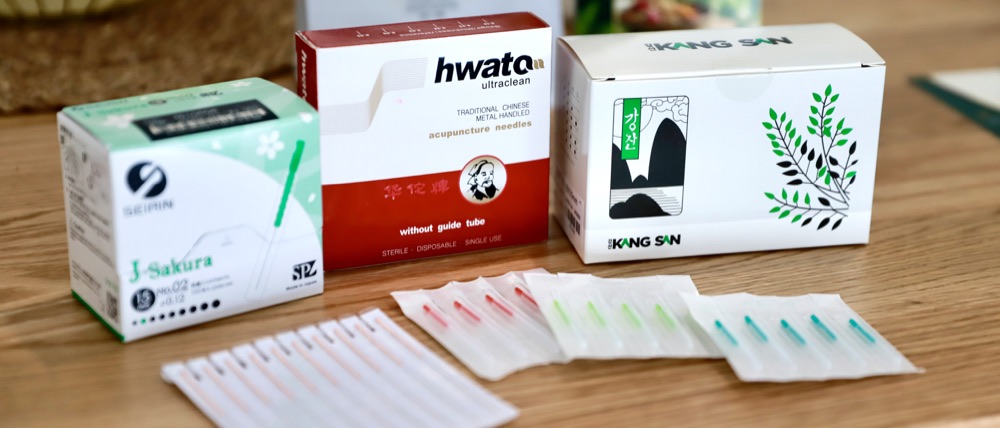
Acupuncture needles are much thinner than most needles used for injections. They are inserted at carefully selected locations, with the depth and technique adjusted to the person's anatomy, symptoms, and clinical needs.
During treatment, you may notice:
- A mild ache, heaviness, warmth, or tingling around a needle
- A brief sensation as a needle is inserted or gently manipulated
- A feeling of relaxation or, occasionally, temporary soreness afterwards
- Little or no sensation at some points
In TCM, a characteristic needling sensation is sometimes called De Qi. It is not necessary to experience strong discomfort for treatment to be worthwhile.
1. Acupuncture and the Nervous System
Sensory Nerve Stimulation
The skin, muscles, and connective tissues contain sensory nerve endings that detect touch, pressure, temperature, and potentially harmful stimuli.
Needle insertion and stimulation can activate some of these sensory pathways. Signals travel through peripheral nerves to the spinal cord and brain, where they may influence how other signals — including pain — are processed.
Researchers have studied several possible effects:
- Changes in sensory signalling from the treated area
- Modulation of pain processing in the spinal cord
- Activation of brain networks involved in pain, attention, and emotion
- Engagement of the body's own pain-modulating systems
Acupuncture does not simply “block a pain nerve.” Its effects, when present, appear to involve several interacting processes.
2. Pain Modulation: Why Pain Is More Than Tissue Damage
Pain is a protective experience created through complex interactions between sensory input, the nervous system, previous experiences, sleep, stress, and the wider clinical context.
For example, a person with persistent lower back pain may continue to experience pain even when the original tissue irritation has improved. This does not mean the pain is imaginary; it means that pain sensitivity and nervous-system processing can change over time.
Acupuncture may influence pain through mechanisms that include:
- Descending pain modulation: brain-to-spinal-cord pathways that can increase or decrease pain signalling
- Endogenous opioids: naturally occurring chemicals involved in pain regulation
- Other neurotransmitter systems: including pathways involving serotonin and noradrenaline
- Changes in pain sensitivity: potentially affecting how strongly a stimulus is experienced
These findings offer useful insights into how acupuncture may influence pain perception, although individual clinical responses can vary.
3. Local Tissue Responses
What Happens Around the Needle?
Needling may produce local physiological responses in the skin, connective tissue, and muscle.
Experimental research has explored:
- Local changes in blood flow
- Release of signalling molecules, including adenosine
- Responses from connective tissue and sensory receptors
- Changes in muscle activity or sensitivity
These findings help explain why researchers continue to explore acupuncture as part of a broader approach to musculoskeletal care and symptom management.
4. Acupuncture, Muscles and Trigger Points
For musculoskeletal complaints, practitioners may select points close to painful muscles or sensitive areas, alongside points elsewhere on the body.
Some approaches overlap with concepts used in dry needling, particularly when targeting painful muscle regions. However, acupuncture and dry needling may differ in their clinical frameworks, training, point selection, and treatment goals.
A local needling approach may be considered as part of care for muscle-related pain, but assessment remains essential. Pain around a shoulder, hip, or leg may arise from joints, tendons, nerves, referred pain, or other conditions — not necessarily from a tight muscle alone.
5. How Traditional Chinese Medicine Explains Acupuncture
Traditional Chinese Medicine describes health using concepts such as Qi, Blood, Yin and Yang, and the Meridian System.
Within this traditional framework:
- Qi describes patterns of activity and function
- Blood is considered important for nourishment within TCM theory
- Meridians provide a traditional map used to organise relationships between acupuncture points and symptoms
- Patterns of imbalance guide individualised point selection
A practitioner may use information about pain, sleep, digestion, temperature sensations, and other symptoms to develop a TCM pattern assessment.
These traditional concepts provide a framework for individualised treatment. Modern anatomy and neuroscience offer a different perspective on how needling may affect the body; the two approaches use different explanatory models.
For a fuller introduction to Yin–Yang, Qi, the Five Phases and meridians, read Understanding Traditional Chinese Medicine.
6. What Does the Scientific Evidence Show?
Acupuncture has been researched for a range of health concerns. Its potential role depends on the condition, your individual circumstances and the available clinical evidence.
Chronic Pain
Research suggests acupuncture can help some people manage certain chronic pain conditions, including chronic lower back pain, neck pain and osteoarthritis-related pain. Benefits may include reduced pain and improved comfort during daily activities.
Acupuncture can be considered alongside exercise, rehabilitation and other appropriate healthcare, with treatment goals tailored to your symptoms and daily activities.
Headaches and Migraine
Research suggests acupuncture may help reduce headache frequency for some people with tension-type headache or migraine. Whether it is suitable depends on the headache pattern, medical history, and any warning signs.
Digestive Health and Nausea
Acupuncture has been investigated for nausea and a variety of digestive symptoms. Some people explore it as a complementary option for bloating, functional digestive discomfort or stress-related digestive concerns. Suitability and expected benefits depend on the underlying condition.
People experiencing persistent bloating, abdominal pain, altered bowel habits or unexplained digestive symptoms should receive appropriate medical assessment.
Stress, Sleep and General Wellbeing
People also seek acupuncture to support relaxation, ease stress-related physical tension and address sleep concerns. Treatment can be discussed as part of a broader wellbeing plan, alongside appropriate medical or psychological care when needed.
Women's Health
Some people explore acupuncture as complementary care for menstrual discomfort, menopause-related symptoms and associated sleep or stress concerns. Treatment is personalised, with appropriate medical assessment for persistent, severe or unusual symptoms.
Recovery and Rehabilitation
For selected people with musculoskeletal pain or ongoing discomfort during rehabilitation, acupuncture may be considered alongside exercise, physiotherapy and other appropriate care. It does not replace postoperative review, rehabilitation programmes or assessment of new symptoms.
Why Is Treatment Individualised?
Acupuncture research uses different techniques, treatment schedules and outcome measures. In clinical practice, the approach is also adapted to each person’s symptoms, preferences and goals. A consultation helps determine whether acupuncture is a suitable option and how progress can be reviewed.
7. What Does an Individualised Treatment Involve?
At Ethan Zhang Acupuncture & Chinese Medicine, treatment begins with an assessment of your symptoms, medical history, relevant diagnoses, and treatment goals.
Depending on your presentation, the consultation may consider:
- Where symptoms occur and how they behave
- How long the problem has been present
- Activities, positions, or movements that change symptoms
- Sleep, stress, work, and daily function
- Previous investigations and treatments
- Current medications and relevant health conditions
A treatment plan may involve local and distal acupuncture points, with techniques adapted to your comfort and safety. Electroacupuncture or cupping therapy may be considered when clinically appropriate, but neither is required for every patient. Where appropriate, we may also discuss exercise, self-management, referral or other healthcare options.
For a practical explanation of appointments and treatment options, visit our Acupuncture Service page.
Not everyone needs the same points or the same number of sessions. Progress should be reviewed using meaningful outcomes, such as pain interference, sleep, mobility, and daily activity.
8. Is Acupuncture Safe?
Acupuncture is generally considered low risk when performed by an appropriately trained practitioner using suitable infection-control and needling techniques. However, it is not risk-free.
Possible adverse effects include:
- Minor bleeding or bruising
- Temporary soreness
- Light-headedness or fainting
- Occasionally, temporary aggravation of symptoms
Rare but serious complications can include infection, nerve injury, or pneumothorax (a collapsed lung), particularly when needling near the chest or upper back.
Before treatment, tell your practitioner if you:
- Take anticoagulant or antiplatelet medication, or have a bleeding disorder
- Are pregnant or may be pregnant
- Have a pacemaker or implanted electrical device, especially if electroacupuncture is considered
- Have an infection, significant immune suppression, or other relevant medical conditions
- Have previously fainted during injections or needling
A qualified practitioner should explain the proposed treatment, obtain informed consent, and adapt or avoid techniques when necessary.
9. What Is Electroacupuncture?
Electroacupuncture involves attaching a device to inserted acupuncture needles to deliver controlled electrical stimulation.
It is sometimes used in musculoskeletal and pain-management settings. Researchers have investigated whether stimulation frequency and intensity influence sensory and pain-modulating pathways.
Electroacupuncture may be selected when its particular stimulation approach suits the treatment plan. It is not necessary for every patient and may be unsuitable for people with certain implanted electrical devices or other contraindications.
Learn more on our Electroacupuncture Service page.
10. What Should You Expect After Treatment?
Responses vary. Some people report temporary symptom relief or relaxation, while others notice little immediate change. A mild ache or tiredness may occur after a session.
It can be useful to track:
- Pain intensity and how much pain interferes with activity
- Sleep quality
- Walking, lifting, or other functional goals
- How long any improvement lasts
- Any unwanted effects
Your progress is reviewed over time so that the treatment plan remains relevant to your goals and response.
When Should You Seek Medical Assessment First?
Acupuncture should not delay investigation of potentially serious symptoms.
Seek urgent medical care for symptoms such as:
- New bladder or bowel dysfunction, saddle numbness, or rapidly progressive leg weakness
- Chest pain, severe breathing difficulty, or symptoms of stroke
- A sudden, extremely severe headache or a headache with new neurological symptoms
- Fever with severe back pain, or a hot, swollen joint with systemic illness
Persistent or unexplained pain, significant injury, unexplained weight loss, or other concerning changes also warrant medical assessment.
A Balanced Approach to Acupuncture
Acupuncture can be understood through two complementary but distinct perspectives:
- Traditional Chinese Medicine offers a historical framework for assessment and individualised treatment.
- Modern clinical research investigates physiological mechanisms, safety, and measurable outcomes for specific conditions.
Together, these perspectives can inform thoughtful treatment planning, with attention to safety, realistic goals and ongoing review.
At Ethan Zhang Acupuncture & Chinese Medicine, the aim is to provide thoughtful, individualised care informed by traditional practice, modern clinical understanding and your personal health goals. Our consultations can consider musculoskeletal concerns alongside digestive health, sleep, stress and general wellbeing, with treatment recommendations guided by your assessment and the evidence relevant to your concerns.
You can learn more about our practitioner and clinical philosophy on the About Ethan Zhang page.
This article provides general health education and does not replace an individual medical assessment. Research and clinical recommendations may change over time.
Explore Acupuncture at Our Clinic
If you are considering acupuncture for pain, digestive concerns, sleep difficulties or another health issue, a consultation can help clarify whether acupuncture is appropriate and what realistic goals might look like.
Explore our services: Acupuncture · Chinese Herbal Medicine · Cupping Therapy · Electroacupuncture
Book an Acupuncture Consultation
Ethan Zhang Acupuncture & Chinese Medicine
129B Goodwood Road, Goodwood SA 5034