
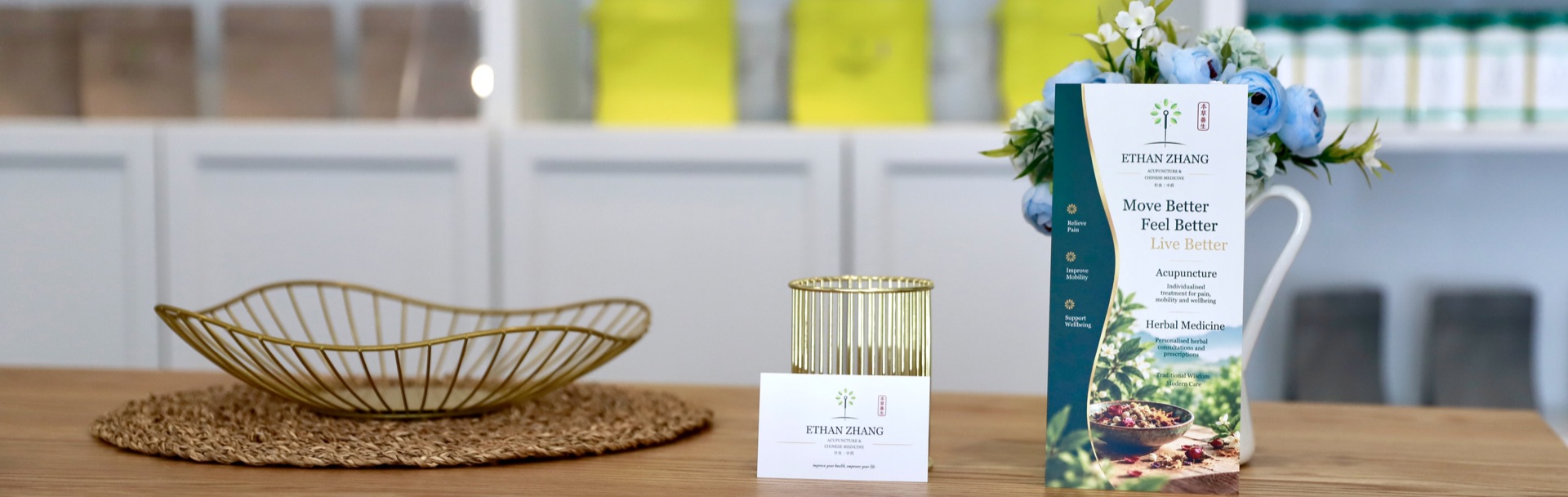
At Ethan Zhang Acupuncture & Chinese Medicine, we welcome referrals and collaborative care opportunities involving general practitioners, orthopaedic specialists, physiotherapists, allied health professionals and aged care providers.
Our approach combines Traditional Chinese Medicine principles with contemporary knowledge of anatomy, musculoskeletal health, rehabilitation and clinical safety.
We recognise that many health concerns benefit from a coordinated approach involving multiple healthcare professionals.
Our aim is to provide individualised acupuncture and Chinese Medicine care that complements existing medical treatment, supports appropriate rehabilitation goals and respects each patient's broader healthcare plan.
1. Our Clinical Background & Approach
Understanding Musculoskeletal Health and Rehabilitation
Ethan Zhang is an AHPRA-registered Chinese Medicine practitioner and Registered Nurse, with a clinical background in orthopaedic healthcare.
His professional education includes a Master's degree in Integrated Chinese and Western Medicine, specialising in Orthopaedics and Traumatology, alongside nursing qualifications and clinical experience in orthopaedic surgical settings.
This background informs an approach that considers both traditional Chinese Medicine assessment and contemporary understanding of musculoskeletal conditions, surgical procedures, rehabilitation and patient safety.
A Collaborative Philosophy
Our clinical approach emphasises:
- Careful assessment of presenting symptoms and relevant medical history
- Recognition of underlying medical conditions and potential warning signs
- Individualised treatment planning based on patient needs and goals
- Respect for existing medical and rehabilitation recommendations
- Appropriate communication with referring healthcare professionals
- Monitoring of treatment response and functional progress
- Referral for further medical assessment when clinically indicated
Acupuncture and Chinese Medicine are considered complementary options within a broader healthcare framework, rather than substitutes for necessary medical treatment.
2. Conditions & Clinical Presentations
We welcome enquiries and referrals for patients experiencing a range of musculoskeletal and related concerns.
Musculoskeletal Pain
Patients may seek acupuncture as part of their care for:
- Lower back pain and neck pain
- Shoulder, elbow, wrist and hand discomfort
- Hip and knee pain
- Muscle tension and myofascial pain
- Sciatica and selected nerve-related pain presentations
- Persistent musculoskeletal discomfort
Treatment suitability depends on the patient's diagnosis, symptoms, clinical findings and individual circumstances.
Orthopaedic & Postoperative Rehabilitation Support
Our clinical interests include supporting patients experiencing pain or functional limitations during recovery from orthopaedic procedures.
Examples include:
- Total knee replacement (TKR)
- Total hip replacement (THR)
- Total shoulder replacement (TSR)
- Arthroscopic procedures
- Selected soft tissue and musculoskeletal injuries
- Persistent discomfort following orthopaedic treatment
Acupuncture may be considered as an adjunct to appropriate medical review, physiotherapy and rehabilitation programmes.
Treatment is adapted to the stage of recovery, surgical precautions, wound status, medical history and functional goals.
Acupuncture does not replace postoperative follow-up, physiotherapy or prescribed rehabilitation.
Persistent Pain & Functional Limitations
For patients living with ongoing pain, treatment may focus on meaningful goals such as:
- Reducing pain-related interference with daily activities
- Improving comfort during movement
- Supporting sleep affected by discomfort
- Improving tolerance for appropriate activity
- Supporting confidence with everyday function
Progress is reviewed according to the patient's response and individual treatment goals.
3. JRC Rehabilitation Pathway
Dedicated Acupuncture Support for Eligible Orthopaedic Referrals
Our clinic offers a dedicated JRC Rehabilitation Pathway for patients referred through the relevant orthopaedic referral arrangement.
This service is intended for eligible patients preparing for or recovering from orthopaedic procedures, including joint replacement and arthroscopic surgery.
The pathway provides an opportunity to consider acupuncture and related supportive care as part of an individualised rehabilitation approach.
What Does the Consultation Include?
The appointment may involve:
- Review of the presenting concern and relevant surgical history
- Assessment of pain, movement and functional limitations
- Discussion of rehabilitation goals and current management
- Individualised acupuncture treatment where appropriate
- Consideration of suitable complementary techniques
- Practical self-management advice within the patient's clinical circumstances
- Review of progress over subsequent appointments
JRC Referral Appointment
Service: JRC Rehabilitation Pathway (JRC Referral Required)
Duration: 60 minutes
Fee: $90
This dedicated appointment type is available only to patients with an eligible JRC referral.
How to Book
Patients can book directly through our online booking system.
- Visit our website and select Book an Appointment.
- Choose JRC Rehabilitation Pathway (JRC Referral Required).
- Select a suitable appointment date and time.
- Complete the patient registration form before attending.
Please bring or provide relevant referral information and any important postoperative instructions.
4. Referrals from GPs & Healthcare Professionals
We welcome referrals from healthcare professionals who believe a patient may benefit from an assessment for acupuncture or Chinese Medicine.
When Might a Referral Be Considered?
A referral may be appropriate when a patient:
- Experiences persistent musculoskeletal discomfort
- Is seeking an additional non-pharmacological pain management option
- Has pain affecting sleep, mobility or daily activities
- Is participating in an established rehabilitation programme
- Wishes to explore acupuncture alongside existing medical care
A referral does not automatically mean acupuncture is appropriate. Treatment suitability is determined following clinical assessment.
Helpful Referral Information
Where available and relevant, referral information may include:
- Presenting complaint and working diagnosis
- Relevant medical and surgical history
- Imaging or investigation findings
- Current medications and significant comorbidities
- Surgical precautions or rehabilitation restrictions
- Specific concerns or treatment goals
- Referring practitioner's contact details
Patients can also book directly for most standard acupuncture services without a medical referral.
6. Aged Care & Support at Home Collaboration
We also work with eligible older adults and aged care providers to support pain management, mobility and independent living.
Acupuncture services may be arranged through approved aged care providers and eligible Support at Home arrangements, subject to funding approval and service eligibility.
In-Clinic & In-Home Services
Depending on individual circumstances, treatment may be provided:
- At our Goodwood clinic
- In the patient's home through an appropriate service arrangement
Functional Goals
For older adults, treatment planning may consider:
- Persistent musculoskeletal pain
- Walking comfort and activity tolerance
- Sleep affected by discomfort
- Participation in everyday activities
- Maintaining mobility and independence
- Supporting rehabilitation and existing care goals
Where appropriate, progress reports may be provided to the relevant care manager or healthcare team, with patient consent.
Service fees and funding arrangements are discussed directly with the relevant aged care provider or care manager.
7. Patient Safety & Clinical Considerations
Assessment Before Treatment
Patient safety is an essential part of collaborative care.
Before recommending acupuncture or related treatments, we consider relevant medical conditions, medications, previous investigations and clinical precautions.
Particular attention may be required for patients with:
- Recent surgery or healing wounds
- Suspected infection or acute inflammatory complications
- Anticoagulant or antiplatelet medication use
- Bleeding disorders
- Significant neurological symptoms
- Implanted medical devices
- Complex medical conditions or reduced physiological reserve
Treatment techniques are adapted or avoided when clinically indicated.
Postoperative Precautions
For patients recovering from surgery, treatment planning takes account of surgical restrictions, wound healing, infection risk and the advice of the treating surgical team.
Acupuncture should not delay assessment of suspected postoperative complications.
New or worsening symptoms such as significant swelling, fever, wound discharge, chest pain, breathing difficulty or rapidly progressive neurological changes require prompt medical assessment.
Realistic Expectations
Clinical responses to acupuncture vary.
Treatment is discussed in terms of realistic goals, potential benefits, limitations, safety considerations and available alternatives.
Progress should be reviewed using outcomes meaningful to the patient, such as pain interference, sleep, mobility and participation in daily activities.
8. For Patients: Do I Need a Referral?
Most patients can book a standard acupuncture or Chinese Medicine consultation directly without a medical referral.
A referral may be relevant when:
- You are accessing the dedicated JRC Rehabilitation Pathway
- Your care is being coordinated by a specialist or other healthcare professional
- Your appointment is arranged through an aged care provider
- Specific clinical information or postoperative precautions need to be shared
If you are unsure which appointment to select, please contact our clinic before booking.
9. Frequently Asked Questions
Can my GP or specialist refer me for acupuncture?
Yes. We welcome referrals from GPs, orthopaedic specialists and other healthcare professionals.
Does acupuncture replace physiotherapy after surgery?
No. Acupuncture may be considered as an additional option for selected patients, but it does not replace physiotherapy, prescribed rehabilitation exercises or medical follow-up.
Can acupuncture be considered after knee replacement surgery?
For selected patients, acupuncture may be considered to help manage ongoing discomfort during recovery or rehabilitation.
Suitability depends on the stage of recovery, wound healing, medical history and the treating team's recommendations.
Do I need imaging before booking?
Not everyone requires imaging before acupuncture. Whether investigations are appropriate depends on the clinical presentation and medical assessment.
If you already have relevant imaging or specialist reports, you are welcome to provide them.
Can my physiotherapist and acupuncturist work together?
Yes. With your consent, relevant treatment goals, precautions and progress information can be shared to support coordinated care.
Do you provide progress reports?
Where clinically relevant and appropriately arranged, progress information may be provided to referring healthcare professionals or aged care managers, with patient consent.
Is the JRC Rehabilitation Pathway available to everyone?
No. This appointment type is specifically for patients with an eligible JRC referral.
Other patients can book standard acupuncture or integrative treatment appointments.
10. Referrals & Professional Enquiries
We welcome enquiries from healthcare professionals interested in discussing appropriate referrals or collaborative care arrangements.
Ethan Zhang Acupuncture & Chinese Medicine
Ethan Zhang
AHPRA-Registered Acupuncturist & Chinese Medicine Practitioner
Registered Nurse
Clinic Address:
129B Goodwood Road
Goodwood SA 5034
Phone: 0433 161 121
Email: ethanztcm@outlook.com
Website: www.ethanztcm.com
Healthcare professionals are welcome to contact the clinic regarding referral arrangements and clinical collaboration.
Patients can book directly online or contact us for assistance selecting the appropriate appointment.
This information is provided for general education and referral guidance. Acupuncture suitability is determined through individual clinical assessment. Treatment does not replace necessary medical care, specialist review or prescribed rehabilitation.