Menstrual symptoms and changes during perimenopause can affect sleep, energy, comfort and everyday life. Some variation is normal, but pain that interrupts work, unusually heavy bleeding or persistent symptoms deserve attention rather than being dismissed as something you simply have to live with.
At Ethan Zhang Acupuncture & Chinese Medicine in Goodwood, Adelaide, we provide individualised acupuncture and Chinese medicine consultations for people seeking additional support with menstrual discomfort and selected perimenopausal symptoms. Our approach begins with understanding your symptoms, medical history and existing care, and recognising when further medical assessment is important.
Common Women's Health Concerns
Period Pain (Dysmenorrhoea)
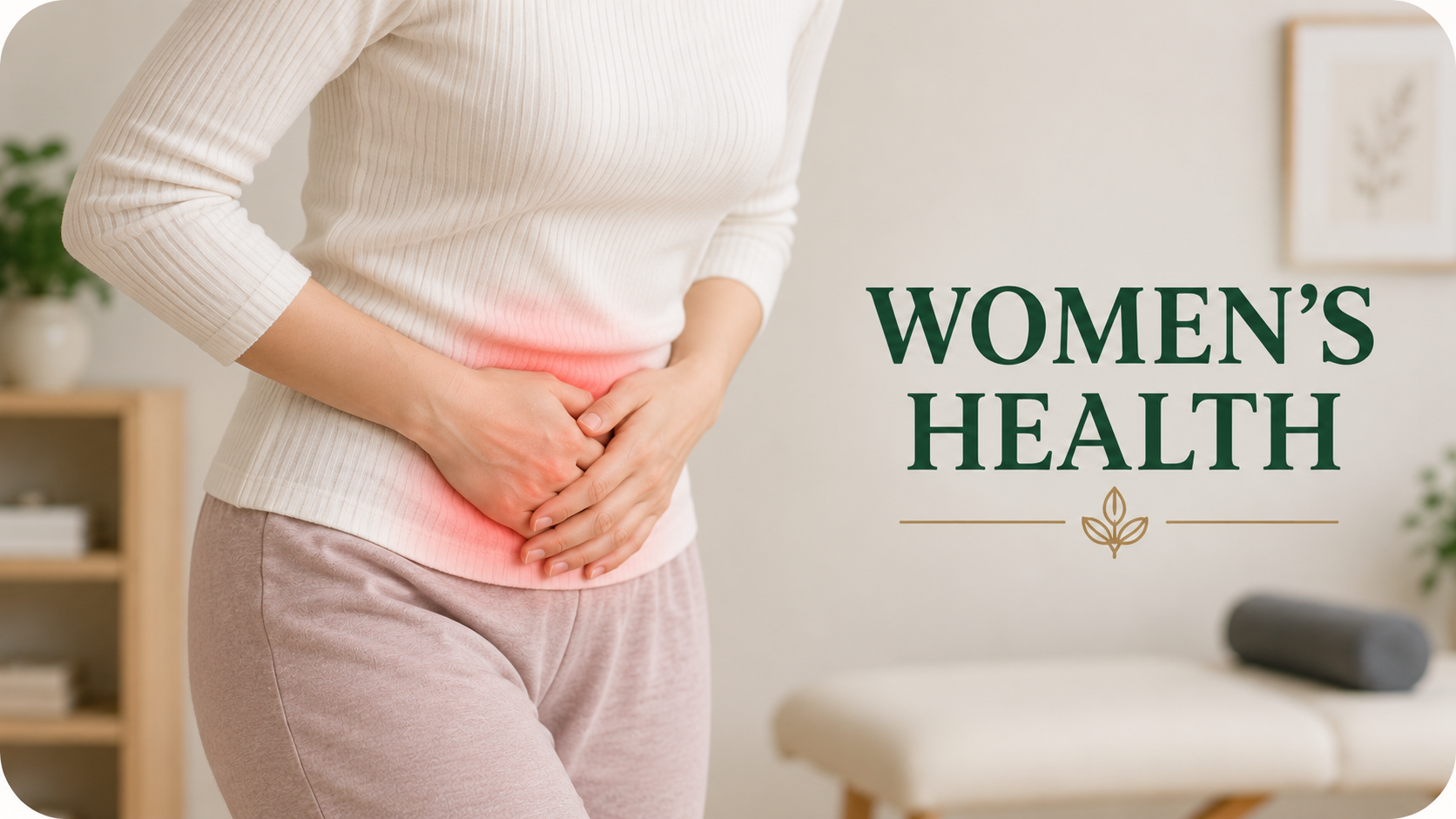
Period pain often feels like cramping in the lower abdomen and may extend into the lower back or thighs. It can be accompanied by nausea, loose stools, fatigue or headache.
Primary dysmenorrhoea is menstrual pain without an identified pelvic disease. It is commonly associated with prostaglandin-driven uterine contractions. Secondary dysmenorrhoea occurs when an underlying condition contributes to pain, such as endometriosis, adenomyosis or fibroids.
Pain that is severe, progressively worsening, starts later in life or occurs outside menstruation warrants assessment by a GP or gynaecologist.
Premenstrual Symptoms
Some people notice breast tenderness, bloating, headaches, mood changes, sleep disruption or fatigue in the days before menstruation. Symptoms may ease after bleeding begins.
When mood symptoms are severe or significantly disrupt relationships, work or daily functioning, assessment for premenstrual dysphoric disorder (PMDD) may be appropriate. Acupuncture should not replace established mental health care when this is needed.
Irregular Periods and Changes in Bleeding
Cycle length and bleeding patterns can change with stress, contraception, pregnancy, perimenopause and certain medical conditions. Thyroid disorders, polycystic ovary syndrome (PCOS), fibroids and other causes may also contribute.
New, persistent or unusually heavy bleeding should not automatically be attributed to a hormonal imbalance. An appropriate medical evaluation helps identify the cause and guide treatment.
Perimenopause and Menopause
Perimenopause is the transition towards menopause. Fluctuating hormone levels can be associated with:
- Changes in menstrual timing or flow
- Hot flushes and night sweats
- Sleep disturbance and daytime fatigue
- Mood changes or difficulty concentrating
- Vaginal or urinary symptoms
- Headaches or changes in existing migraine patterns
Symptoms vary considerably. Evidence-based options include lifestyle strategies, non-hormonal treatments and, for suitable patients, menopausal hormone therapy discussed with their GP. Acupuncture may be considered as an additional option for symptom-related wellbeing, but evidence for reliably reducing hot flush frequency or severity is mixed.
Why Symptoms Differ From Person to Person
Menstrual and perimenopausal experiences are influenced by more than hormone levels alone. Relevant factors may include:
- Underlying gynaecological conditions: Endometriosis, adenomyosis and fibroids may contribute to pelvic pain or heavy bleeding.
- Sleep and stress: Poor sleep and sustained stress can increase the burden of pain, fatigue and mood symptoms.
- Pain sensitivity: Recurrent pain can involve changes in how the nervous system processes discomfort.
- General health and medications: Thyroid disorders, iron deficiency, contraception and other treatments can affect symptoms.
Identifying the likely contributors matters because different causes require different forms of care.
A Traditional Chinese Medicine Perspective
Traditional Chinese Medicine (TCM) considers menstrual and menopausal symptoms in the context of the person's overall pattern, including the timing and nature of symptoms, digestion, sleep, energy and emotional wellbeing.
Depending on the assessment, traditional patterns may be described using concepts such as Qi and Blood stagnation, Blood deficiency, or Kidney Yin and Yang imbalance. These are traditional diagnostic frameworks, not direct equivalents of biomedical hormone tests or gynaecological diagnoses.
Treatment is individualised rather than based on a single formula or acupuncture point protocol for everyone with the same symptom.
How Acupuncture May Fit Into Care
Acupuncture is sometimes used alongside conventional care for menstrual pain and selected symptoms affecting comfort and wellbeing.
For primary period pain, some research suggests acupuncture may help reduce pain for certain patients, although study quality and certainty vary. It is not a substitute for investigating possible secondary causes of severe or persistent pelvic pain.
For perimenopausal symptoms, some people find acupuncture sessions relaxing or helpful for their overall symptom experience, but findings are inconsistent, particularly for hot flushes. It should not be presented as a way to restore hormone levels or reverse menopause.
During a consultation, we consider your symptoms, cycle pattern, medical history, medications and treatment preferences. If acupuncture is appropriate, the plan may be adjusted over time according to your response.
Chinese Herbal Medicine
Chinese herbal medicine may be discussed in selected cases after an individual assessment. It is not automatically suitable for everyone, especially during pregnancy, when trying to conceive, or when taking hormonal medication, anticoagulants or other prescription medicines.
Herbal products can have adverse effects and interact with medicines. Please tell your practitioner about all medications, supplements and any possibility of pregnancy. We may recommend discussing proposed herbal treatment with your GP or specialist before starting.
Practical Ways to Manage Symptoms
For Period Pain
- Consider gentle movement, walking or stretching if comfortable.
- A warm pack over the lower abdomen may ease cramps.
- Discuss suitable pain relief, including anti-inflammatory medicines, with your pharmacist or GP.
- Track pain severity, bleeding and associated symptoms over several cycles.
For Perimenopausal Symptoms
- Keep regular sleep and waking times where possible.
- Notice whether alcohol, hot environments or other individual triggers worsen flushes.
- Maintain enjoyable physical activity and strength training appropriate to your health.
- Seek medical advice for disruptive hot flushes, significant mood symptoms or persistent sleep problems.
These measures can complement medical care but do not replace treatment for an underlying condition.
When to Seek Medical Advice
Arrange a medical review if you experience:
- Period pain that is severe, new, progressively worsening or interfering with normal activities
- Heavy bleeding, bleeding between periods or bleeding after sex
- Pelvic pain outside your usual menstrual pattern
- Symptoms suggesting anaemia, such as unusual fatigue, dizziness or shortness of breath
- Menopausal symptoms that substantially affect your quality of life
- Any vaginal bleeding after menopause (12 months without a period), which requires assessment
Seek urgent medical attention for sudden severe pelvic pain, fainting, heavy bleeding with dizziness or weakness, or pelvic pain with a possible pregnancy. These can indicate conditions needing prompt investigation.
What to Expect at Your Appointment
Your first consultation may include a discussion of:
- Your main concerns and how they affect daily life
- Menstrual cycle patterns, bleeding, pain and associated symptoms
- Relevant medical diagnoses, investigations and current treatments
- Sleep, stress, digestion and general wellbeing
- Whether acupuncture or Chinese herbal medicine is appropriate as part of your broader care
Where symptoms suggest a condition needing investigation, we will encourage timely assessment by your GP or relevant specialist. Our role is complementary and does not replace gynaecological diagnosis or treatment.
Frequently Asked Questions
Can acupuncture help with period pain?
Some studies suggest acupuncture may reduce primary menstrual pain for certain people, but the evidence is not definitive. Severe or worsening pain should be assessed for causes such as endometriosis or adenomyosis.
Can acupuncture balance my hormones?
There is insufficient evidence to claim acupuncture reliably corrects hormone levels. We focus on your symptoms, comfort and overall management rather than promising hormonal changes.
Can acupuncture help with hot flushes during menopause?
Research findings are mixed. Acupuncture may be considered as an adjunct for some people, but established medical treatments should also be discussed when symptoms are troublesome.
Is Chinese herbal medicine safe with hormonal contraception or menopause medication?
Not always. Safety depends on the herbs, dose, your health and the medicines you take. A medication review and, where appropriate, consultation with your prescribing clinician are important.
Should I still see my GP or gynaecologist?
Yes, particularly for abnormal bleeding, severe pelvic pain, suspected endometriosis, new symptoms or concerns about menopause treatment. Acupuncture and Chinese medicine can be considered alongside appropriate medical care.
Can I receive acupuncture during my period?
Menstruation itself does not usually prevent acupuncture. Let your practitioner know if you are feeling unwell, bleeding heavily or might be pregnant so the treatment can be assessed and adapted safely.
Women's Health Support in Goodwood, Adelaide
At Ethan Zhang Acupuncture & Chinese Medicine, we take a thoughtful, individualised approach to menstrual discomfort and perimenopausal symptoms. We aim to understand your concerns, explain the options clearly and work alongside your existing healthcare where appropriate.
Clinic: 129B Goodwood Road, Goodwood SA 5034
Phone: 0433 161 121
Website: www.ethanztcm.com
Book a consultation to discuss your symptoms and whether acupuncture or Chinese medicine may be a suitable addition to your care.