
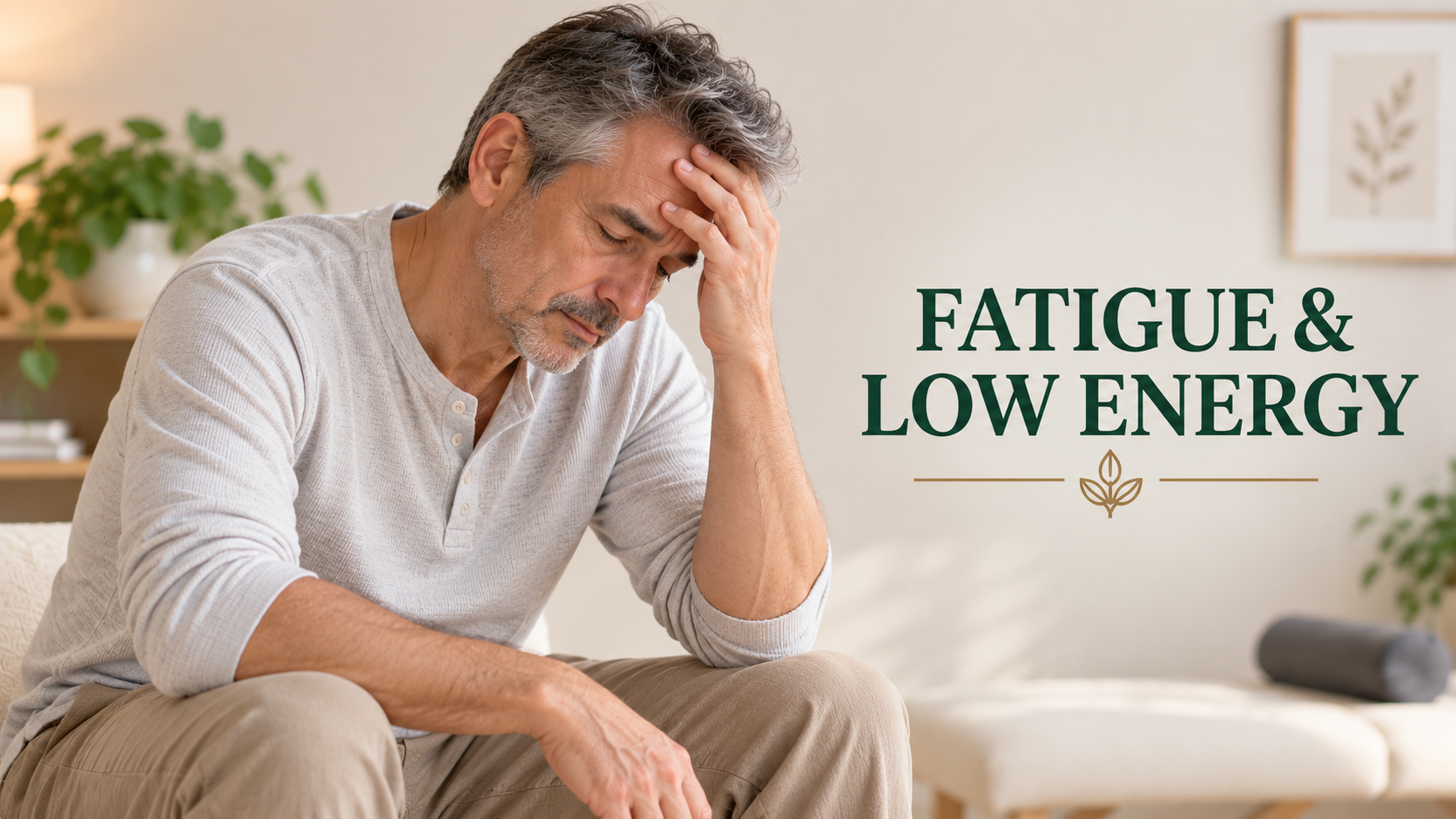
Feeling tired after a demanding day, poor sleep or an illness is common. However, fatigue that continues for weeks, feels disproportionate to your activity, or does not improve with adequate rest deserves closer attention.
Fatigue is a symptom rather than a diagnosis. It can have many contributing factors, including sleep difficulties, stress, medication effects, nutritional deficiencies and underlying medical conditions. At Ethan Zhang Acupuncture & Chinese Medicine in Goodwood, Adelaide, we take an individualised approach to understanding fatigue and supporting associated symptoms, while recognising the importance of appropriate medical assessment.
What Is Fatigue?
Fatigue is more than simply feeling sleepy. People describe it in different ways:
- Physical fatigue: Heavy limbs, reduced stamina or feeling exhausted by routine activities.
- Mental fatigue: Difficulty concentrating, slower thinking or feeling mentally overwhelmed.
- Persistent tiredness: Low energy that continues despite what seems like sufficient sleep.
- Activity-related fatigue: Symptoms that become more noticeable after physical or mental exertion.
Some people feel tired from the moment they wake up. Others begin the day reasonably well but find their energy declines rapidly. The pattern, duration and accompanying symptoms can help identify possible causes.
Common Symptoms Associated with Low Energy
Fatigue may occur alongside:
- Poor or unrefreshing sleep
- Difficulty concentrating or remembering information
- Headaches or muscle tension
- Generalised aches and discomfort
- Reduced exercise tolerance
- Changes in mood or motivation
- Digestive discomfort or changes in appetite
- Dizziness or light-headedness
These symptoms do not necessarily share a single cause. A careful history helps determine which concerns should be assessed first.
What Can Cause Persistent Fatigue?
1. Sleep Problems
Insufficient sleep, irregular sleeping hours and conditions such as obstructive sleep apnoea can leave a person tired even after spending many hours in bed. Frequent waking due to pain, reflux or stress can also affect sleep quality.
2. Stress and Emotional Strain
Prolonged stress may be accompanied by muscle tension, disturbed sleep, headaches and a sense of being constantly depleted. Anxiety and depression can also affect energy levels, although fatigue should not automatically be attributed to emotional factors without considering other causes.
3. Nutritional and Metabolic Factors
Iron deficiency or anaemia, vitamin B12 deficiency, thyroid disorders, diabetes and inadequate dietary intake are among the conditions that may contribute to fatigue. A GP may recommend blood tests based on your symptoms, history and examination.
4. Medications and Other Substances
Some medicines, including certain antihistamines, sedatives and blood pressure medications, may contribute to tiredness. Alcohol and some supplements can also affect sleep or interact with prescribed treatments. Do not stop prescribed medication without discussing it with the clinician who manages it.
5. Chronic Illness, Pain and Recovery
Persistent pain, inflammatory conditions, infections and recovery from surgery or illness may increase the effort required for daily activities. In older adults, fatigue may have several contributing factors rather than one isolated explanation.
6. Post-Viral Fatigue and Post-Exertional Symptom Exacerbation
Some people experience prolonged fatigue following an infection. A particularly important pattern is post-exertional malaise (PEM), where physical, cognitive or emotional activity leads to a delayed and disproportionate worsening of symptoms, sometimes lasting days.
If this occurs, simply pushing through fatigue or following a routine graded exercise programme may make symptoms worse. Medical assessment and an individualised energy-management approach are important. Acupuncture should not be presented as a cure for ME/CFS or long COVID.
When Should You See a Doctor?
If fatigue is new, persistent, worsening or interfering with everyday life, arrange an assessment with your GP. Depending on your circumstances, your doctor may review sleep, medications, nutrition, mood, cardiovascular symptoms and relevant investigations.
Seek urgent medical attention if fatigue occurs with chest pain, significant breathlessness, fainting, new confusion, severe weakness or other sudden neurological symptoms. Prompt assessment is also important for unexplained weight loss, persistent fever, night sweats, unusual bleeding or rapidly declining function.
Fatigue accompanied by loud snoring, witnessed pauses in breathing, or significant daytime sleepiness may warrant investigation for sleep apnoea. New fatigue in an older person should not be dismissed as a normal part of ageing.
A Traditional Chinese Medicine Perspective
Traditional Chinese Medicine (TCM) considers fatigue in relation to the whole pattern of symptoms rather than energy levels alone. A consultation may explore sleep, digestion, appetite, temperature preferences, pain, emotional wellbeing, bowel habits and the tongue and pulse.
Common traditional patterns that may be considered include:
Spleen Qi Deficiency
Traditionally associated with tiredness, reduced appetite, bloating or a feeling of heaviness, particularly when digestive symptoms are prominent.
Qi and Blood Deficiency
May be considered when fatigue occurs alongside poor stamina, dizziness, paleness or disturbed sleep. These traditional descriptions are not substitutes for testing for anaemia or other medical conditions.
Liver Qi Stagnation
A traditional pattern sometimes discussed when tiredness is accompanied by stress, muscle tension, fluctuating mood or digestive discomfort.
Kidney Deficiency Patterns
May be considered in the context of longer-standing fatigue, lower back discomfort, changes in temperature tolerance or other symptoms. The terminology describes a TCM pattern and does not imply diagnosed kidney disease.
TCM pattern identification is used to guide an individualised treatment plan. It does not replace a biomedical diagnosis or medical investigation.
How May Acupuncture Help?
People experiencing fatigue sometimes seek acupuncture to help manage accompanying concerns such as:
- Difficulty relaxing or settling to sleep
- Muscle tension and persistent aches
- Headaches associated with tension
- Stress-related physical discomfort
- Pain that interferes with rest or everyday activity
Treatment is tailored to the person's symptoms, medical history and tolerance. For someone with marked exhaustion or post-exertional symptom worsening, a gentle approach and careful monitoring of the response are especially important.
Acupuncture may be considered as supportive care, but it is not a substitute for diagnosing and treating the underlying cause of fatigue. Responses vary, and improvement in energy cannot be guaranteed.
Can Chinese Herbal Medicine Be Considered?
Chinese herbal medicine may be considered after a detailed consultation and review of the patient's overall health. Formulas are selected according to the individual presentation rather than prescribing the same “energy-boosting” herbs for everyone.
Safety is particularly important when someone takes prescription medicines, multiple supplements, anticoagulants or has liver or kidney disease. Some herbal ingredients can interact with medicines or be unsuitable during pregnancy and in certain medical conditions. Please bring an up-to-date medication and supplement list to your appointment.
Herbal medicine should not delay investigations for unexplained fatigue or replace treatment for conditions such as anaemia, thyroid disease or sleep apnoea.
Practical Ways to Manage Fatigue
The most appropriate approach depends on why fatigue is occurring. Some general strategies include:
Establish a Consistent Sleep Routine
Aim for regular sleeping and waking times, and discuss ongoing insomnia or possible sleep apnoea with your healthcare provider.
Eat Regularly and Stay Hydrated
Adequate food and fluid intake can help support day-to-day function. If appetite is poor, your diet is restricted or you suspect a deficiency, seek individual dietary or medical advice.
Balance Activity and Rest
When fatigue is mild and does not worsen after exertion, comfortable activity may help maintain general wellbeing. However, if you experience post-exertional malaise, prioritise pacing, staying within your energy limits and avoiding activities that trigger a prolonged crash. Seek advice from a clinician familiar with the condition.
Address Pain and Other Disruptive Symptoms
Persistent pain, headaches, reflux and sleep disturbances can all affect how rested you feel. Managing these symptoms may make daily life more comfortable even when the underlying cause of fatigue requires separate treatment.
Track Your Symptoms
A simple diary recording sleep, energy levels, activity, medications and symptom flare-ups may reveal useful patterns to discuss with your GP or practitioner.
Our Approach at Ethan Zhang Acupuncture & Chinese Medicine
At our Goodwood clinic, the initial consultation focuses on understanding your symptoms, health history and personal goals. We consider the duration and pattern of fatigue, associated pain or sleep difficulties, current medications and whether medical assessment is needed.
Where appropriate, acupuncture or Chinese herbal medicine may be included as part of a broader plan that supports comfort, sleep and day-to-day wellbeing. We encourage coordinated care with your GP and other healthcare professionals, particularly when fatigue is persistent, unexplained or associated with a diagnosed chronic condition.
Our aim is to help you make informed decisions about supportive care, with realistic expectations and attention to safety.
Frequently Asked Questions
Is constant tiredness normal as I get older?
Not necessarily. While sleep and activity patterns may change with age, persistent or unexplained fatigue should not simply be accepted as normal ageing. It may be related to sleep, medication, nutritional or medical factors that deserve assessment.
Can acupuncture treat chronic fatigue?
Acupuncture may be considered to support associated symptoms such as sleep disturbance, tension or pain. Fatigue has many causes, so an individual assessment is important. Acupuncture is not a proven cure for chronic fatigue syndrome (ME/CFS) or other conditions that cause persistent fatigue.
What is the difference between fatigue and sleepiness?
Sleepiness is the tendency to fall asleep, while fatigue often refers to low physical or mental energy. The two can overlap, especially when sleep quality is poor.
Should I exercise when I feel exhausted?
It depends on your symptoms and underlying condition. Gentle activity may be appropriate for some people, but if exertion leads to a delayed, prolonged worsening of symptoms, avoid pushing through and seek advice about pacing and assessment for post-exertional malaise.
Can Chinese herbs improve energy levels?
Chinese herbal medicine is prescribed according to an individual TCM assessment rather than a general “energy” formula. Any potential role needs to be considered alongside your medical history, medicines and the reason for your fatigue.
How many acupuncture sessions will I need?
There is no standard number of treatments for fatigue. Recommendations depend on the symptoms being addressed, your overall health and your response. Your practitioner should discuss goals and review whether treatment is providing meaningful benefit.
Book an Appointment in Goodwood, Adelaide
If you are experiencing fatigue alongside poor sleep, muscle tension, headaches or persistent discomfort, we can discuss whether acupuncture or Chinese herbal medicine may be appropriate as part of your broader care.
Ethan Zhang Acupuncture & Chinese Medicine
129B Goodwood Road, Goodwood SA 5034
Phone: 0433 161 121
Website: www.ethanztcm.com
Explore Appointments & Book Online
If your fatigue is new, unexplained or getting worse, please arrange a GP assessment rather than relying on complementary treatment alone.