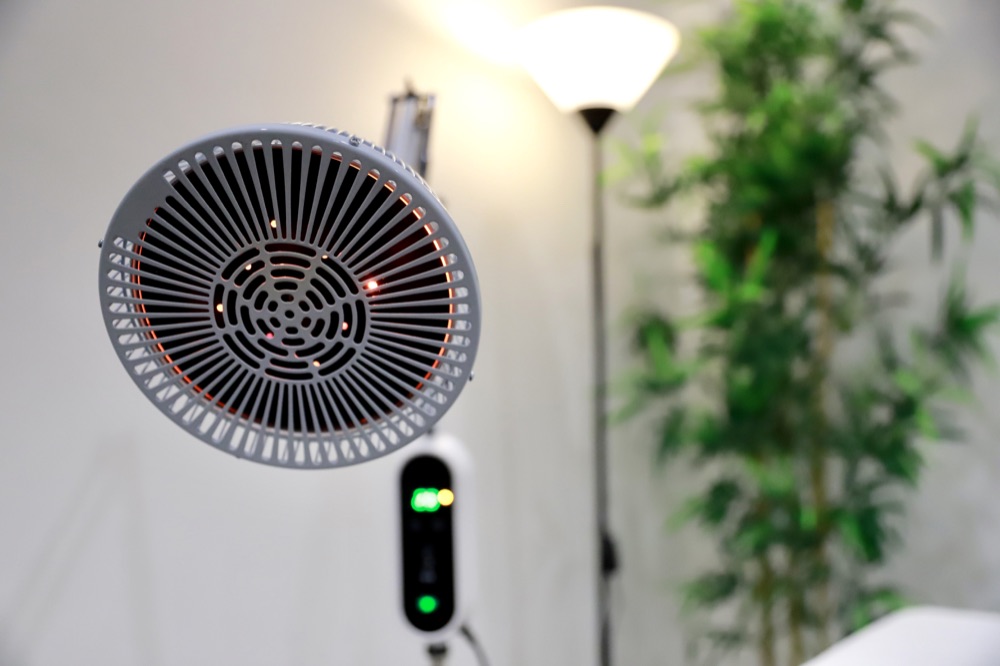
A warm, gentle heat lamp is a familiar feature in many acupuncture and Chinese Medicine clinics. During a treatment, you may notice a lamp positioned above your back, shoulder, knee or another area of discomfort, providing steady warmth while you rest.
But what exactly does a heat lamp do, and how is it different from an ordinary heater?
At Ethan Zhang Acupuncture & Chinese Medicine in Goodwood, Adelaide, heat therapy may be considered as a supportive part of an individualised treatment, depending on your symptoms, preferences and clinical needs.
This article explains how a TDP heat lamp works, why warmth can feel soothing, what a session involves and when heat therapy may not be appropriate.
1. What Is a TDP Heat Lamp?
A Specialised Therapeutic Heat Lamp
A TDP lamp is a type of therapeutic warming device used in some acupuncture and Chinese Medicine settings. TDP is commonly associated with the Chinese term Teding Diancibo Pu, often translated as “special electromagnetic spectrum”. It is also sometimes called a mineral heat lamp or TDP mineral lamp.
Unlike an ordinary household heater, a typical TDP lamp uses an electrically heated plate with a specially formulated mineral coating. As the plate warms, it emits infrared radiation that transfers heat to the skin and superficial tissues beneath the lamp.
Although the traditional name includes the word electromagnetic, this does not mean the lamp delivers electrical current into your body. The heat is transmitted primarily as infrared electromagnetic radiation, a form of radiant heat.
Different manufacturers and models vary, so the precise construction, operating temperature and instructions should be checked for the device being used.
2. How Does Infrared Heat Therapy Work?
Understanding Radiant Heat
Infrared radiation is a form of electromagnetic energy associated with warmth. The sun, warm objects and many heating devices all emit infrared radiation.
When a heat lamp is positioned at a suitable distance from the body, some of this radiant energy is absorbed by the skin and converted into heat. This creates a warming sensation without the lamp needing to touch you.
The main physiological responses to local warming may include:
- A rise in skin temperature, producing a comfortable sensation of warmth
- Widening of superficial blood vessels, which can increase blood flow near the skin
- Changes in local tissue flexibility and comfort, particularly when stiffness is present
- Altered sensory input, which may temporarily influence how discomfort is perceived
- Relaxation, as warmth may help some people feel more comfortable during treatment
These effects do not mean that the lamp can reliably reach or repair deep structures such as spinal discs, joint cartilage or damaged tendons. The amount of heating at different depths depends on the device, treatment distance, duration and the tissues involved.
Does Infrared Heat Penetrate Deep Into the Body?
Infrared radiation is largely absorbed in superficial tissues, and heat can subsequently spread through the body by conduction and circulation. Claims that a heat lamp directly delivers a specific therapeutic energy deep into internal organs or joints should be treated cautiously.
In everyday clinical practice, the most useful way to understand the lamp is as a controlled source of local warmth that may support comfort and relaxation.
3. What Is Special About the Mineral Plate?
Many TDP devices use a heated plate coated with a mixture of mineral materials. Manufacturers describe this as producing a particular infrared emission spectrum when the plate reaches its operating temperature.
The mineral plate is a distinguishing feature of TDP lamps, but the presence of minerals does not by itself establish additional clinical benefits beyond those associated with therapeutic heating. The exact emissions and performance depend on the device design and operating conditions.
The practical goal remains straightforward: to provide comfortable, carefully controlled radiant warmth over a selected body area.
4. Why Is Heat Used in Acupuncture and Chinese Medicine?
The Traditional Perspective
Warmth has a longstanding place in Traditional Chinese Medicine (TCM). Traditional approaches such as moxibustion use heat as part of treatment, while modern clinics may also use electric heat lamps.
Within TCM theory, warming methods may be selected when symptoms are interpreted as involving Cold, reduced warmth or certain patterns of stagnation. Practitioners may consider whether discomfort feels worse in cold weather, improves with warmth or is accompanied by stiffness.
These are traditional pattern descriptions, rather than direct measurements of body temperature or proof of a particular medical diagnosis.
The Contemporary Clinical Perspective
From a modern clinical perspective, a heat lamp is a form of superficial thermotherapy. Heat may be useful for temporary comfort, relaxation and some presentations of muscle stiffness.
A practitioner can consider both traditional treatment principles and the person's medical history, symptoms, skin sensitivity and preferences before deciding whether warmth is suitable.
Learn more about the traditional concepts behind treatment in Understanding Traditional Chinese Medicine.
5. What Symptoms Might Heat Therapy Be Used For?
A heat lamp may be considered as a supportive measure for selected presentations involving:
- Neck and shoulder tightness — when gentle warmth feels comfortable
- Lower back stiffness — particularly when symptoms are not associated with acute swelling or concerning neurological changes
- Muscle tension — as part of a broader approach to symptom management
- Knee or other joint stiffness — where warmth is appropriate and does not aggravate symptoms
- General relaxation during acupuncture — helping some patients remain comfortable while resting
The lamp is not a stand-alone treatment for the underlying cause of conditions such as osteoarthritis, nerve compression, tendon injury or persistent pain. Where appropriate, management may also involve exercise, rehabilitation, medical assessment or other treatments.
When Might Cold Be More Appropriate?
Heat is not always the best option. Some people prefer cold for a recent injury associated with swelling or a distinctly hot, inflamed area. Individual response matters, and neither heat nor cold should delay assessment of a significant injury.
6. What Happens During a TDP Heat Lamp Session?
If heat therapy is suitable, the practitioner will explain the purpose of the lamp and position it at an appropriate distance from the area being treated.
You may experience:
- A gradual, gentle warming sensation
- Comfortable warmth around the back, shoulder, leg or another selected area
- A sense of relaxation while resting
- No direct contact between the lamp and your skin
The lamp should feel pleasantly warm, never burning or uncomfortably hot. The practitioner will monitor positioning and your response, and you should speak up immediately if the heat feels excessive.
Treatment time and distance depend on the particular device, the body area and your individual circumstances. A heat lamp may be used alongside acupuncture or on its own as a supportive modality when appropriate.
More heat is not necessarily better. The aim is controlled comfort rather than the strongest possible warming sensation.
7. How Is a TDP Lamp Different From Other Heat Treatments?
TDP Lamp vs Ordinary Infrared Lamp
Both devices provide radiant warmth. A TDP lamp typically includes a heated mineral-coated plate, while other infrared lamps may use different heating elements. Their exact emission characteristics vary by model.
For patients, the most important considerations are safe temperature, distance, treatment duration and suitability, rather than assuming one lamp is automatically more effective.
TDP Lamp vs Heating Pad
A heating pad transfers heat mainly through direct contact. A TDP lamp delivers warmth without touching the skin, allowing the practitioner to position it above a particular region.
TDP Lamp vs Moxibustion
Moxibustion is a traditional technique that commonly uses burning mugwort to produce heat. A TDP lamp is an electrically powered device and does not require burning herbs, although both may be used within a broader Chinese Medicine treatment approach.
TDP Lamp vs Electroacupuncture
These are different treatments. Electroacupuncture applies controlled electrical stimulation through selected acupuncture needles. A TDP lamp provides radiant heat and does not electrically stimulate the body.
Learn more in How Acupuncture Works or explore our Electroacupuncture Service.
8. Is Infrared Heat Therapy Safe?
Heat therapy can be comfortable and low risk when used appropriately, but burns and skin injury are possible, particularly if the lamp is too close, used for too long or applied where temperature sensation is reduced.
Tell your practitioner before treatment if you have:
- Reduced heat sensation, including peripheral neuropathy or diabetes-related sensory changes
- Poor circulation or a condition affecting skin integrity
- Fragile, broken, infected or irritated skin in the treatment area
- Acute swelling, significant inflammation or a recent injury
- A condition or medication that affects heat tolerance, or difficulty communicating discomfort
- Pregnancy, particularly if warming over the abdomen or lower back is being considered
Extra caution is also needed for older adults and people who may not recognise excessive heat promptly. Heat should not be applied over areas where it may aggravate an underlying condition, and the device should always be used according to its manufacturer’s safety instructions.
If you feel burning, stinging, dizziness or increasing discomfort, tell your practitioner immediately.
Seek medical assessment for severe or unexplained pain, new weakness or numbness, fever, significant swelling, or other concerning symptoms rather than relying on a heat lamp for relief.
9. Can a Heat Lamp Be Combined With Acupuncture?
Yes. In some treatment plans, a TDP lamp may be positioned over a selected region while acupuncture needles are retained. The warmth may make the resting period more comfortable for some patients.
However, not every patient needs heat therapy, and it is not automatically included in every acupuncture appointment. Your practitioner should consider the nature of your symptoms, relevant medical conditions, skin sensation and personal preference.
At Ethan Zhang Acupuncture & Chinese Medicine, treatment recommendations are individualised and may include acupuncture, electroacupuncture, cupping or other appropriate supportive techniques.
10. Frequently Asked Questions
Is a TDP lamp the same as a far-infrared lamp?
TDP lamps are often marketed as infrared or far-infrared therapeutic lamps. The exact wavelengths emitted depend on the model and its operating temperature. In practical terms, the lamp provides radiant heat to the treated area.
Does the lamp send electricity into my body?
No. Electricity powers the lamp, but the treatment itself involves radiant heat, not an electrical current passed through your body.
Should I feel strong heat for the treatment to work?
No. A comfortable, gentle warming sensation is the goal. Excessive heat increases the risk of burns and does not guarantee a better result.
Can infrared heat therapy cure arthritis or repair damaged tissues?
A heat lamp does not reverse joint degeneration or reliably repair damaged tendons, cartilage or nerves. It may help with temporary comfort or stiffness for some people as part of a broader care plan.
Is a TDP lamp suitable for everyone?
No. Heat may be inappropriate when sensation is reduced, skin is damaged, an area is acutely inflamed or other safety concerns are present. Suitability should be assessed individually.
Will I receive heat lamp therapy at every acupuncture appointment?
Not necessarily. The practitioner may recommend it when appropriate, but treatment is adapted to your symptoms, safety needs and preferences.
A Thoughtful Approach to Therapeutic Warmth
A TDP heat lamp combines a familiar therapeutic principle—gentle warmth—with an electrically heated mineral-coated plate. It can be a comfortable addition to selected acupuncture sessions, particularly when muscle tension or stiffness is part of the presentation.
The important questions are not simply whether a lamp feels warm, but whether heat is appropriate for your symptoms, how it is applied and what role it plays in your overall treatment plan.
At Ethan Zhang Acupuncture & Chinese Medicine, we consider traditional Chinese Medicine principles alongside contemporary clinical assessment and patient safety when recommending supportive therapies.
This article provides general health education and does not replace individual medical assessment. The features and safety instructions of TDP lamps vary between manufacturers.
Explore Acupuncture and Chinese Medicine in Goodwood
If you would like to learn more about acupuncture and the supportive techniques that may be used during your appointment, we welcome you to discuss your questions during a consultation.
Explore our services: Acupuncture · Electroacupuncture · Cupping Therapy
Ethan Zhang Acupuncture & Chinese Medicine
129B Goodwood Road, Goodwood SA 5034